
Pitcairnia angustifolia
Pitcairnia angustifolia
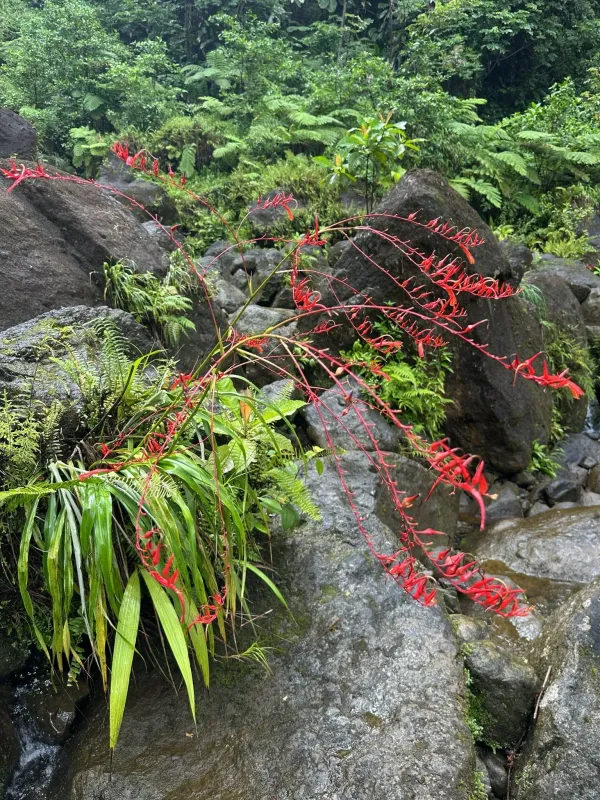
Description
Growing requirements
Pitcairnia angustifolia is a terrestrial herbaceous plant belonging to the Bromeliaceae family. Renowned for its slender, grass-like leaves and vibrant inflorescences, it serves as a significant ornamental crop in tropical and specialized greenhouse horticulture.
Native to the Caribbean islands, this species typically inhabits rocky slopes and cliffs. This origin dictates its primary agricultural requirement: a well-draining, highly aerated growing medium that prevents stagnant moisture around the root system.
The crop thrives in temperatures ranging from +20°C to +28°C. Being a tropical plant, it is strictly intolerant of freezing conditions. Consistent warmth is essential for maintaining vegetative growth and inducing the subsequent flowering phase.
Regarding light, it prefers bright, filtered sunlight. Exposure to harsh, direct midday sun often results in leaf chlorosis or necrotic spotting. In greenhouse production, artificial shading systems are frequently employed to optimize light intensity.
The ideal soil mix for this culture is slightly acidic and highly porous. Commercial growers typically utilize a blend of peat moss, pine bark, and coarse perlite. This mixture ensures rapid water drainage while retaining just enough humidity to support root health.
Main diseases and pests
Common pests include scale insects and spider mites. These pests thrive in poorly ventilated environments or areas where the ambient humidity is kept too low, leading to sap depletion and weakened overall plant vitality.
Root and crown rot represent the most significant pathological threats, usually induced by overwatering or compacted substrate. These fungal conditions are difficult to treat once established, making prevention through strict irrigation control vital.
Mealybugs are another persistent threat, often colonizing the tight leaf axils of the plant. Mechanical removal combined with systemic insecticidal applications is the standard protocol for managing infestations in commercial settings.
Preventive agricultural practices should focus on maintaining a moderate humidity level (approx. 60-70%) and ensuring sufficient air circulation between plants to prevent the buildup of fungal spores and localized microclimates that attract pests.
Integrated Pest Management (IPM) strategies are recommended to maintain plant health. This includes biological controls and regular monitoring programs to detect the first signs of stress before the plant reaches a point of irreversible damage.