
Pitcairnia sanguinea
Pitcairnia sanguinea
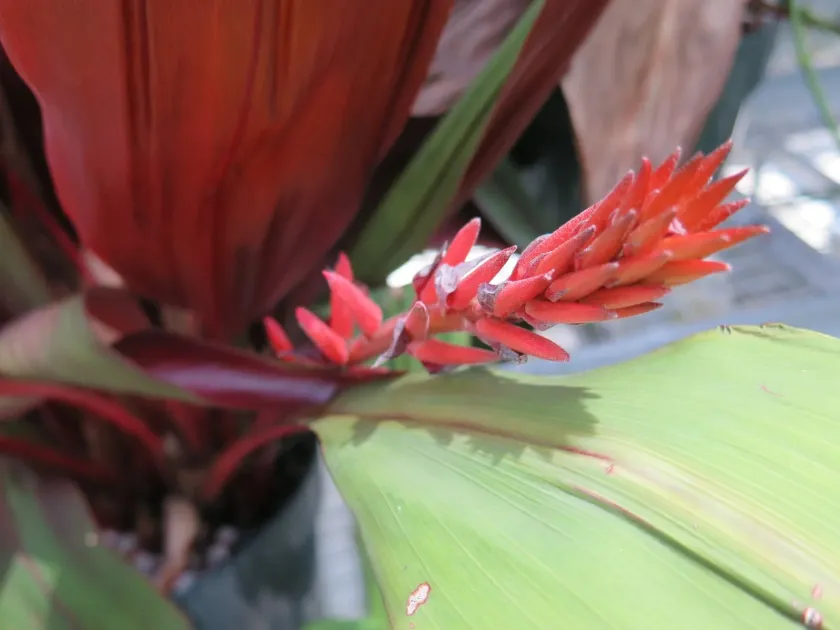
Description
Growing requirements
Pitcairnia sanguinea is a distinguished member of the Bromeliaceae family. Native to the tropical regions of Central and South America, this plant thrives in the understory of dense forests, requiring specific environmental conditions that mimic its natural habitat.
Botanically, it forms a rosette of elongated, lance-shaped leaves often displaying deep red or purplish hues. Unlike many other bromeliads that are strictly epiphytic, this species possesses a strong root system, allowing it to be grown in traditional containers with a well-draining medium.
The plant requires bright, indirect sunlight. Direct sunlight should be avoided, as it can cause significant leaf scorch, damaging the plant's aesthetic appeal and overall vitality. Consistent ambient temperatures between 18 and 25 degrees Celsius are ideal.
Regarding soil requirements, a light and airy substrate is essential. A mixture of peat moss, pine bark, and perlite provides the necessary structure and drainage. A slightly acidic pH level helps ensure optimal nutrient uptake for the plant.
Humidity is a critical factor for the well-being of Pitcairnia sanguinea. Maintaining high humidity levels in the surrounding air, while ensuring the roots do not sit in stagnant water, is the secret to a healthy and vigorous specimen.
Main diseases and pests
The primary pests affecting this species include mealybugs and spider mites, which are particularly prevalent in dry indoor environments. Frequent monitoring and increasing local humidity are effective preventative measures.
Fungal issues, particularly root rot, can occur if the soil remains waterlogged for extended periods. It is crucial to allow the top layer of the substrate to dry out slightly before applying water to maintain root health.
This plant is primarily utilized in ornamental horticulture, making it a prized addition to botanical gardens, conservatories, and private collections of exotic plant enthusiasts looking for unique foliage plants.
Proper maintenance also involves regular cleaning of the leaves to remove dust and debris. This practice not only keeps the plant looking attractive but also facilitates efficient photosynthesis and reduces the risk of pest infestation.
In cases of severe pest infestation, the use of targeted systemic insecticides or horticultural oils is recommended. Always test a small area of the foliage first to ensure that the chemical application does not cause phytotoxicity.