
Pitcairnia reflexiflora
Pitcairnia reflexiflora
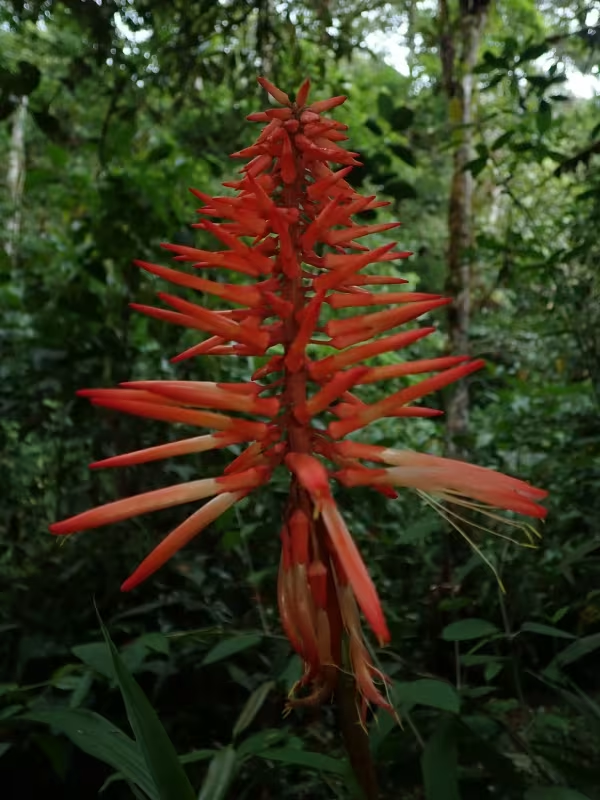
Description
Growing requirements
Pitcairnia reflexiflora belongs to the Bromeliaceae family, a diverse group of plants native to the tropical forests of Central and South America. This species is primarily a terrestrial grower that adapts well to the warm, shaded environments of the forest floor.
The plant features long, lanceolate leaves forming a rosette, which is characteristic of many bromeliads. Unlike epiphytic relatives, this species develops a more robust root system suited for soil conditions, requiring high-quality organic components for healthy growth.
For successful cultivation, the environment must maintain temperatures consistently between 20 and 26 degrees Celsius. Exposure to cold drafts or temperatures below 12 degrees Celsius can cause significant stress, potentially leading to dormancy or tissue necrosis.
High humidity is essential for the aesthetic and physiological health of the plant. Maintaining humidity levels above 60 percent helps prevent leaf-tip browning and supports the plant’s natural transpiration process during the growing season.
A well-draining soil mix is critical to prevent root suffocation. A mixture of orchid bark, high-quality peat moss, and perlite provides the necessary structure to ensure that roots receive oxygen while retaining enough moisture to sustain the plant.
Main diseases and pests
The most common pests affecting this species are spider mites and mealybugs. Spider mites thrive in dry conditions and can cause stippling and webbing on the foliage, eventually leading to reduced photosynthesis and overall plant decline.
Fungal infections, particularly root rot, represent a major threat triggered by improper watering practices. When the growing medium remains waterlogged for extended periods, roots begin to decay, which is often difficult to reverse once symptoms appear.
Scale insects can also infest the stems and leaf bases. These pests are protected by a hard shell, making them resistant to contact insecticides and necessitating systemic treatments that travel through the plant's vascular system to be effective.
Integrated Pest Management (IPM) is recommended for this crop to minimize chemical usage. Regular inspection of the plant's architecture, including the center of the rosette, helps identify infestations in their early stages before they spread.
To maintain plant health, ensure that water does not pool in the crown of the plant for prolonged periods, as this creates a breeding ground for bacterial rot. Providing adequate light and proper airflow serves as the best natural defense against most pathogens.