
Pitcairnia orchidifolia
Pitcairnia orchidifolia
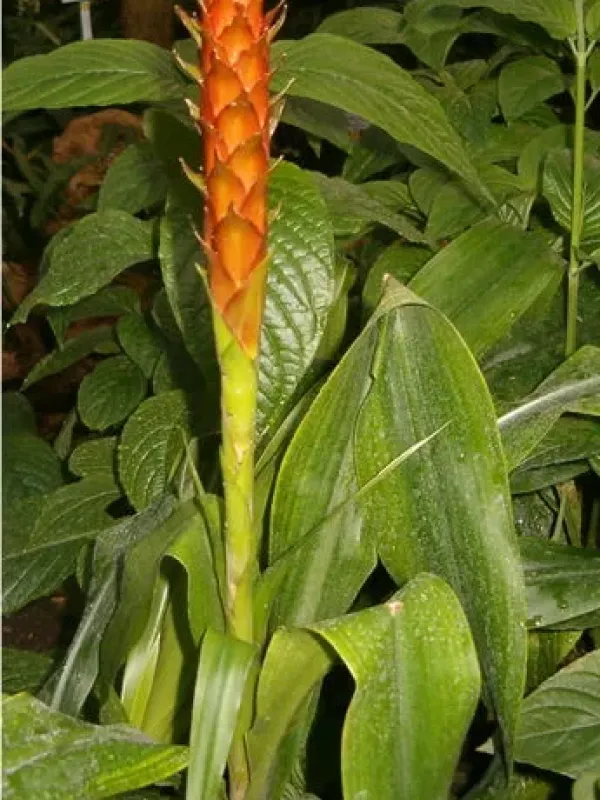
Description
Growing requirements
Pitcairnia orchidifolia is a distinctive species within the Bromeliaceae family, notable for its terrestrial growth habit. Unlike many epiphytic bromeliads, this species thrives in soil, requiring a specific approach to cultivation.
Originating from the tropical regions of the Caribbean, this plant prefers habitats that mimic the moist, shaded forest floor. It is valued for its elegant, arching foliage and vibrant inflorescences.
For successful growth, provide bright, indirect light. Direct sunlight is generally harmful to the foliage, causing brown spots and tissue necrosis, which reduces the plant's aesthetic value.
The ideal potting medium should be porous and slightly acidic. A mix consisting of peat moss, pine bark, and perlite ensures proper drainage while retaining enough moisture to keep the roots hydrated.
Temperature management is vital, with an ideal range of 20°C to 26°C. The plant should be protected from cold drafts, as extreme temperature fluctuations can lead to shock and stunted growth.
Main diseases and pests
Pest issues usually involve spider mites and mealybugs, which thrive in low-humidity environments. Regular misting or the use of a humidifier helps prevent these infestations effectively.
Root rot is the most common pathological concern. It is frequently caused by poor soil drainage and excessive watering, which deprives the roots of necessary oxygen.
To prevent disease, ensure that the pot has sufficient drainage holes and that the plant is never left sitting in stagnant water for extended periods.
If insects are spotted, mechanical removal using an alcohol-soaked swab is often sufficient for minor infestations; otherwise, insecticidal soap should be applied cautiously.
Constant monitoring of the plant's overall health, including checking for yellowing leaves or soft stem tissues, allows for early intervention and ensures long-term vitality.