
Pitcairnia muscosa
Pitcairnia muscosa
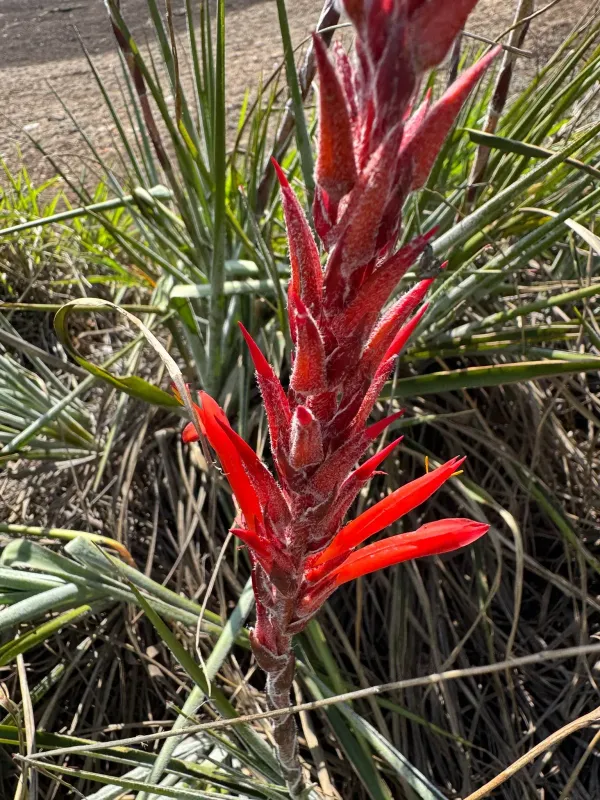
Description
Sowing dates
Pitcairnia muscosa belongs to the Bromeliaceae family and is primarily propagated through the division of basal offsets. These pups develop around the mother plant and should be carefully detached once they have established their own root system and reached a mature size.
The most favorable time for propagation is during the spring, which initiates a phase of active physiological growth. Using a sharp, sterilized knife is essential to minimize tissue damage, which prevents the entry of pathogens at the site of the cut.
For successful growth, the potting medium must be airy and loose, mimicking the natural epiphytic or lithophytic environment. A combination of peat, pine bark, perlite, and charcoal provides the ideal balance of moisture retention and root aeration.
Upon planting, the young specimens require a stable environment with high relative humidity to encourage quick establishment. Proper soil moisture must be maintained without allowing the medium to become waterlogged, as this is detrimental to young roots.
Consistency in climate management during the early growth stages is crucial. A light, airy substrate allows the roots to breathe, which is fundamental for the plant to transition from a detached pup to an independent, thriving specimen.
Growing requirements
Pitcairnia muscosa is native to tropical habitats and demands high humidity, ideally between 60% and 80%. In domestic environments, frequent misting or the use of humidifiers is necessary to keep the foliage vibrant and healthy.
Bright, indirect light is required for the plant to exhibit proper growth and coloration. Direct exposure to the intense midday sun will cause leaf scorching and irreversible damage, so filtered light through a curtain or a shaded spot is optimal.
Temperatures should remain stable within the 20–25 degrees Celsius range. While the plant can tolerate slight fluctuations, temperatures dropping below 15 degrees Celsius can cause metabolic stress, leading to stunted growth or dormancy.
Watering should be done with care; the medium should be kept evenly moist but never saturated. Good drainage is imperative, and water should not be allowed to stagnate in the central leaf rosette for long periods to avoid rot.
Nutrient supply should be managed via liquid fertilizers formulated specifically for bromeliads. These should be applied at half-strength during the growing season to ensure steady development without causing salt accumulation in the substrate.
Main diseases and pests
The most common pests affecting Pitcairnia muscosa are mealybugs and scale insects. These pests thrive in dry environments and can quickly colonize the leaf bases and undersides, weakening the plant by draining its sap.
Root and crown rot are the primary pathological threats, usually caused by poor drainage or excessive watering. These fungal infections progress rapidly and can lead to the total collapse of the plant structure if not caught early.
Integrated pest management involves regular cleaning of the leaves and the application of mild, plant-safe insecticides or neem oil when pests are spotted. Early detection is the key to preventing a widespread infestation across a collection.
Fungal control depends on improving the ventilation and reducing the soil moisture levels. Removing any affected parts and applying systemic fungicides can help save the plant if the infection has not reached the critical root zone.
Maintaining a clean cultivation area and isolating new arrivals prevents the introduction of pests and diseases. Regular monitoring and adherence to proper environmental standards provide the best defense against potential biological threats.