
Pitcairnia megasepala
Pitcairnia megasepala
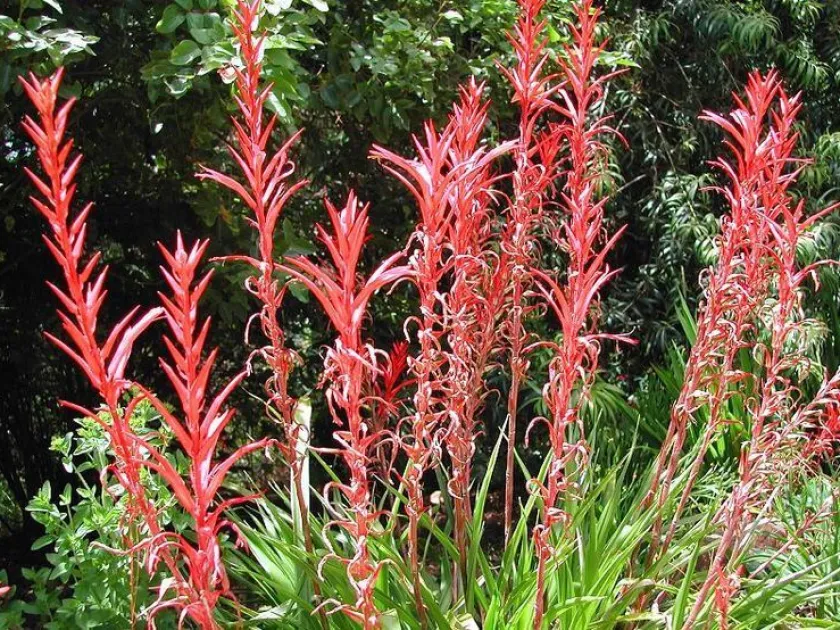
Description
Growing requirements
Pitcairnia megasepala is a distinctive member of the Bromeliaceae family, native to the tropical regions of South America. Unlike many epiphytic bromeliads, this species is primarily terrestrial, developing a robust root system that requires specific soil composition for optimal growth.
The substrate must be well-draining, consisting of a mix of peat, bark, and perlite to ensure that the roots receive adequate oxygen. Compact or waterlogged soil is strictly detrimental, as it encourages root rot, which is a common failure point in the cultivation of this species.
Environmental requirements for this plant include consistent tropical temperatures, ideally between 20°C and 25°C. It thrives in high humidity, necessitating frequent misting or the use of humidifiers in environments where indoor air is naturally dry, particularly during winter months.
Light intensity is critical for the health of Pitcairnia megasepala. It requires bright, indirect light to maintain its structural integrity and vibrant foliage color. Low light levels may result in leggy, weak growth, while direct sun can cause significant tissue necrosis on the leaves.
Fertilization should be handled with care, using a diluted balanced fertilizer during the growing season. It is vital to avoid excessive nitrogen, which can lead to rapid but soft tissue growth, making the plant more susceptible to mechanical damage and pathogen infiltration.
Main diseases and pests
Pests such as mealybugs and spider mites are the primary threats to the health of Pitcairnia megasepala. These insects tend to hide in the tight leaf bases, making them difficult to detect until a significant infestation has developed.
Pathogenic fungi pose a risk when the balance of moisture and air circulation is disturbed. Common issues include stem rot and various leaf spot diseases, often triggered by water remaining in the leaf axils for too long during periods of low light or lower temperatures.
To mitigate the risk of infestation, regular inspection of the foliage is necessary. Using biological controls or horticultural soaps can manage initial outbreaks without resorting to harsh chemical treatments that might damage the delicate leaf surfaces.
Preventative measures against diseases involve maintaining excellent sanitation around the plants. Removing dead leaves and ensuring that no debris stays in the soil surface prevents the formation of an environment conducive to fungal development.
If chemical intervention becomes necessary, it is essential to use products specifically labeled for indoor tropical foliage. Proper timing of application is crucial to ensure that the pesticide covers the hidden areas where pests typically colonize.