
Pitcairnia maidifolia
Pitcairnia maidifolia
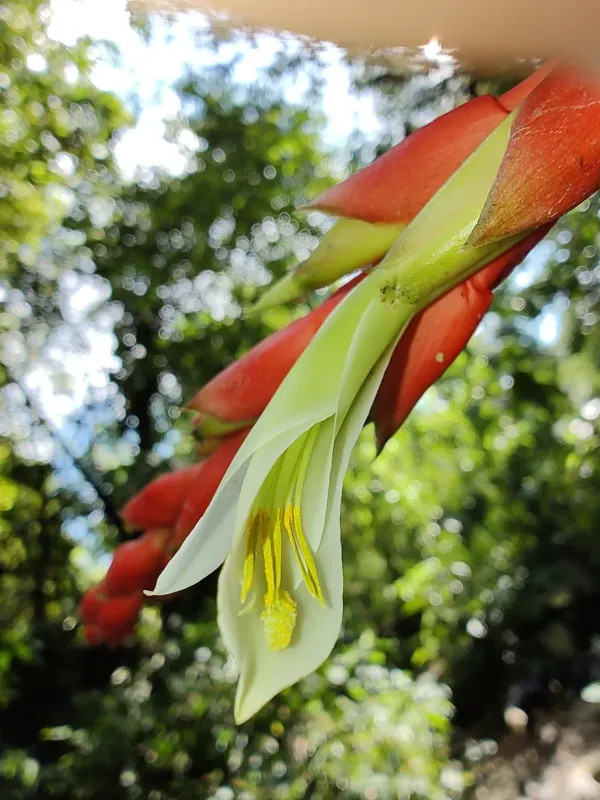
Description
Growing requirements
Pitcairnia maidifolia belongs to the Bromeliaceae family. This perennial herbaceous plant is native to the humid tropical forests of Central and South America, where it thrives in the understory of dense forest ecosystems.
Botanically, the plant is characterized by long, lanceolate, maize-like leaves arranged in a rosette. It produces striking inflorescences that make it a valuable subject for tropical botanical collections and greenhouses.
The cultivation of this species requires a stable environment with high temperatures ranging between 20 to 26 degrees Celsius. It is essential to avoid exposure to direct sunlight, which can cause severe scorching of the leaves.
A well-draining, organic-rich soil substrate is critical for healthy root development. Mixtures containing peat, perlite, and pine bark are typically recommended to ensure both moisture retention and adequate aeration.
Consistency in watering is vital, as the plant prefers the substrate to be evenly moist but never waterlogged. Maintaining a high ambient humidity level, ideally above 65 percent, is necessary to mimic its natural rainforest habitat.
Main diseases and pests
The primary threats to Pitcairnia maidifolia include fungal pathogens, such as Phytophthora or Pythium, which cause root rot when the soil remains too wet for extended periods. Proper drainage is the best defense against these diseases.
Pests such as spider mites and scale insects represent a significant challenge in greenhouse production. Spider mites often thrive in warm, dry air, causing stippling and eventual yellowing of the leaf surface.
Mealybugs can also infest the tight spaces between leaf bases. Regular monitoring and integrated pest management practices are recommended to prevent population outbreaks that could weaken the plant structure.
Bacterial soft rot can occur if water sits stagnant in the center of the leaf rosette for too long. Improving air circulation within the growing area helps to reduce the incidence of bacterial and fungal infections.
To ensure long-term health, growers should maintain strict sanitation protocols. Removing dead or decaying foliage promptly prevents the buildup of spores and protects the surrounding plants from potential contagion.