
Pitcairnia lehmannii
Pitcairnia lehmannii
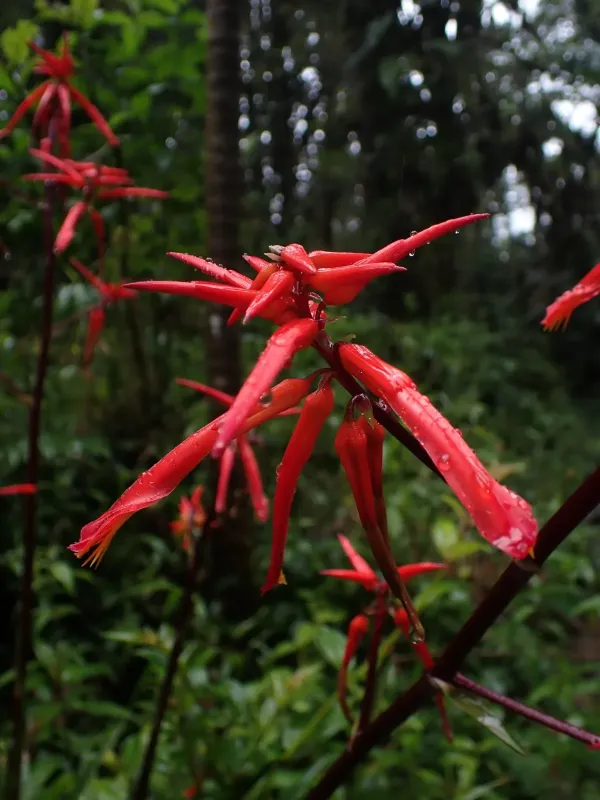
Description
Growing requirements
Pitcairnia lehmannii is a species of the Bromeliaceae family, native to the tropical montane forests of Colombia and Ecuador. This species is valued for its elegant, grass-like foliage and unique inflorescences that appear during its active growth phase.
The plant requires bright, indirect light to thrive. High-intensity direct sunlight can cause chlorophyll degradation and leaf burn, while insufficient lighting will prevent the plant from producing its characteristic flowers and may result in leggy growth.
Soil requirements for this bromeliad are specific: it needs a well-draining, airy medium. A mixture consisting of orchid bark, perlite, and high-quality peat moss provides the optimal balance of moisture retention and root aeration required for its health.
Humidity is a critical factor for Pitcairnia lehmannii. It thrives in environments with 60 to 80 percent humidity. Regular misting or the use of a humidifier is recommended, especially in controlled greenhouse environments or during winter months with dry indoor air.
During the growing season, consistent moisture is essential. Irrigation should be performed with filtered or rain water, avoiding high mineral content that can accumulate in the substrate and cause toxicity to the sensitive root system of the plant.
Main diseases and pests
The most common pests affecting Pitcairnia lehmannii include mealybugs and spider mites. These pests thrive in dry environments and can quickly infest the leaf bases, causing significant tissue damage and plant decline.
Fungal pathogens such as Fusarium or Phytophthora often attack the plant if the substrate remains saturated for too long. Root rot is a common outcome of overwatering, manifesting as yellowing foliage and mushy stems.
To mitigate these threats, maintain excellent air circulation around the plants. Proper spacing in a nursery or greenhouse setting prevents the humidity from becoming stagnant, which is a major catalyst for mold and bacterial development.
If an infestation occurs, horticultural oils or insecticidal soaps can be applied cautiously. It is important to treat both the undersides of the leaves and the central rosette area while ensuring the product does not remain pooled in the plant for extended periods.
Quarantine protocols should be strictly observed for any new specimens introduced to a cultivation area to prevent the potential spread of pests or systemic diseases throughout the entire collection.