
Pitcairnia integrifolia
Pitcairnia integrifolia
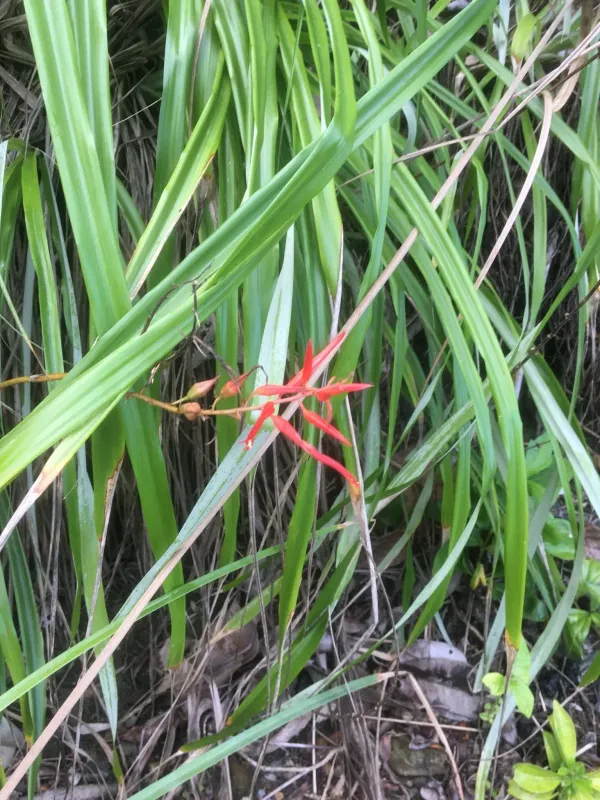
Description
Growing requirements
Pitcairnia integrifolia is a distinguished member of the Bromeliaceae family. As a terrestrial or lithophytic species, it requires specific growing conditions that mimic its native tropical habitat in the Americas to thrive and bloom effectively.
The plant features rosettes of long, entire leaves that provide a distinct architectural aesthetic. Understanding its biological rhythm is essential for successful cultivation, especially regarding its requirements for humidity and airflow in controlled environments.
Optimal growth is achieved in well-draining, acidic, and organic-rich substrates. A mix consisting of peat, orchid bark, and perlite provides the necessary aeration, preventing root suffocation which is a common failure point for novice growers.
Temperature management is critical; the species flourishes in environments between 20°C and 25°C. Exposure to sudden temperature drops should be strictly avoided as the plant lacks significant cold tolerance, which is common among tropical species of this genus.
Light levels should be carefully regulated. While the plant appreciates high levels of ambient light, it must be protected from intense, direct solar radiation, which causes leaf scorch and physiological stress to the foliage.
Main diseases and pests
Common pests affecting Pitcairnia integrifolia include mealybugs and spider mites. These pests thrive in dry conditions and can quickly compromise the plant's health by sapping vital nutrients and weakening its structural integrity.
Root rot is the most prevalent disease, often resulting from poor irrigation management. When the substrate remains waterlogged, pathogens such as Pythium and Fusarium can easily invade the weakened root system.
Effective control strategies involve a combination of biological agents and localized chemical treatments. It is recommended to maintain a quarantine protocol for new arrivals to prevent the spread of pests within the greenhouse collection.
Nutrient toxicity, particularly from excessive fertilizer application or hard water, can manifest as browning of leaf tips. Using soft, filtered, or rainwater is highly recommended for irrigation to ensure long-term plant vitality.
Proper sanitation, including the regular removal of dead foliage and maintaining clean growing containers, is vital for preventing the buildup of fungal spores and providing a healthy environment for the plant to grow.