
Pitcairnia fusca
Pitcairnia fusca
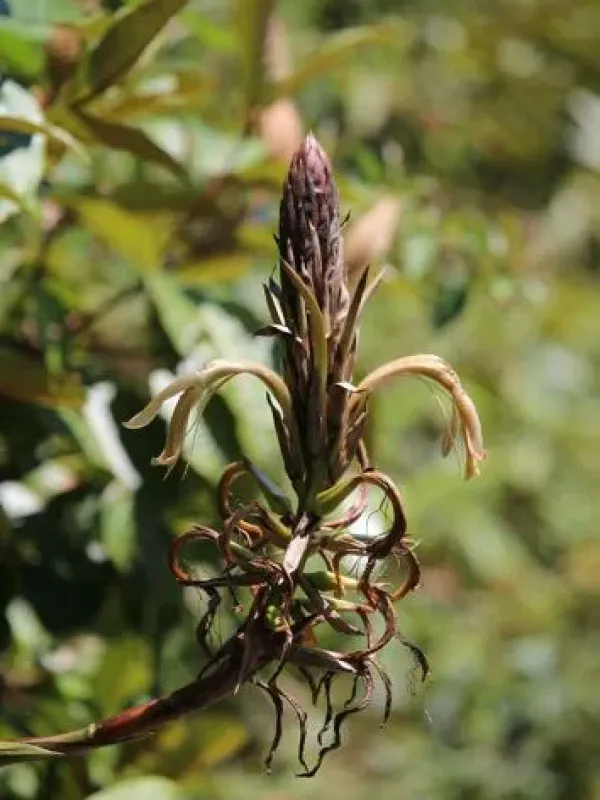
Description
Growing requirements
Pitcairnia fusca is a terrestrial bromeliad known for its ornamental foliage and unique growth habits. Unlike many epiphytic bromeliads, this species thrives in soil, requiring a well-aerated, moisture-retentive, and nutrient-rich substrate to support its specialized root system.
Native to the tropical regions of Colombia, this plant is accustomed to the humid understory of rain forests. It requires diffused sunlight, avoiding intense direct exposure which can cause leaf scorch. Providing a shaded environment mimics its natural habitat, promoting healthy development.
When selecting a planting medium, it is recommended to use an orchid-based mix or a blend of peat, pine bark, and perlite. This composition ensures optimal drainage while providing sufficient moisture for the root zone, which is essential for the plant's metabolic activity.
Temperature management is critical for success. Pitcairnia fusca performs best in temperatures ranging between +20°C and +26°C. While it is relatively resilient, avoiding cold drafts and extreme fluctuations is necessary to maintain the plant's vigor throughout the year.
Humidity requirements remain relatively high, ideally maintained between 60% and 75%. Regular misting and the use of pebble trays help create the necessary microclimate, especially in controlled environments such as greenhouses or indoor collections where indoor heating may lower ambient humidity.
Main diseases and pests
Common threats to Pitcairnia fusca include sap-sucking pests, with spider mites and mealybugs being the most prominent. Spider mites thrive in dry conditions and can quickly compromise plant health, causing yellowing and webbing across the foliage.
Mealybugs are often difficult to detect due to their tendency to hide in the base of the leaves and near the stem. Manual removal with a cotton swab dipped in alcohol can be effective for minor infestations, though systemic insecticides may be required for more severe cases.
Root rot and fungal infections represent the most significant physiological risks, often resulting from poor drainage or excessive watering. Ensuring that the substrate dries out sufficiently between watering cycles is a crucial preventative measure for maintaining healthy roots.
Stagnant air serves as a catalyst for fungal diseases. Proper ventilation and airflow are essential to prevent the accumulation of spores on the plant surface. Removing any decaying foliage immediately prevents the spread of pathogens that could endanger the entire plant.
Routine monitoring of the foliage and substrate condition is highly advised. Observing changes in leaf color or growth rate allows the grower to address environmental deficiencies early, preventing stress-induced vulnerability to opportunistic pests and diseases.