
Pinzona
Pinzona
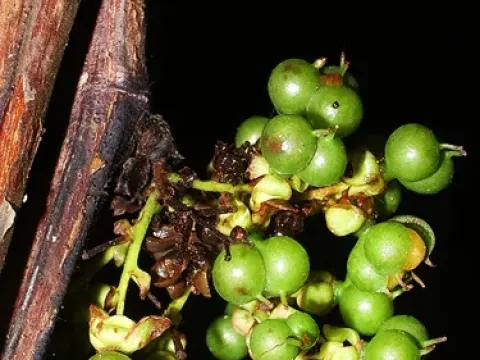
Pinzona is a crop belonging to the Dilleniaceae family, typically found in tropical environments. For successful propagation, sowing must occur when temperatures are consistently warm, preferably between 22 and 26 degrees Celsius, as the seeds are highly sensitive to cold stress.
What the section contains

Pinzona
Before sowing, seeds are often treated to break dormancy, which is common in tropical species. The substrate must be lightweight, well-draining, and rich in organic matter to mimic the natural forest floor conditions where the plant naturally occurs.
Sowing depth is shallow, usually just covering the seeds with a light layer of soil. Maintaining high humidity during the germination phase is critical, often requiring a greenhouse environment or constant misting to ensure the soil surface does not dry out.
Seedling growth is relatively slow at the initial stages. Proper lighting should be provided to prevent etiolation, keeping the plants in a bright area but protected from direct, scorching sun rays during peak hours.
Transplanting should be handled with extreme care, as the root systems of Pinzona are delicate and prone to damage. Ensuring that the roots are not disturbed during the move to the permanent location is vital for long-term health.
The plant thrives in tropical climates characterized by high moisture and stable temperatures. It requires a growing environment that avoids extremes, as both heat spikes and cold dips can cause significant physiological distress to the plant.
Soil quality is paramount; Pinzona requires well-aerated, slightly acidic to neutral soil. Poor drainage is the most significant limiting factor in successful cultivation, as the roots are highly susceptible to anaerobic conditions.
Watering management should focus on consistency. The goal is to keep the growing medium moist but never waterlogged. Using mulching can help retain soil moisture and stabilize root zone temperatures during hotter days.
Light requirements are best met with filtered or dappled sunlight. In its natural habitat, Pinzona grows under the canopy, meaning it is adapted to lower-light intensity compared to open-field crops, making greenhouse shading cloths essential.
Nutrient supplementation should be regular throughout the growing season. A balanced NPK fertilizer, supplemented with magnesium and iron, helps maintain the deep green color of the foliage and supports healthy reproductive development.
Diseases affecting Pinzona are primarily related to fungal pathogens that thrive in moist, stagnant conditions. Root rot, caused by various species of Pythium, is a constant threat if irrigation cycles are not strictly controlled.
Pests are generally limited to those commonly found in tropical gardens, such as spider mites and scale insects. These organisms can weaken the plant by feeding on the sap, leading to yellowing leaves and reduced overall yield.
Integrated Pest Management (IPM) is the recommended approach for maintaining plant health. This includes regular scouting for early signs of infestations, mechanical removal of pests, and the judicious use of pesticides only when necessary.
Sanitation is key to preventing the spread of diseases. Clearing fallen leaves and debris from the growing area reduces the habitat for fungal spores and overwintering pests, significantly improving the overall resilience of the crop.
- Spider mites (Tetranychidae)
- Scale insects (Coccoidea)
- Root and crown rots (Pythium/Phytophthora)
- Bacterial leaf spot