
Philodendron verrucosum
Philodendron verrucosum L. Mathieu ex Schott
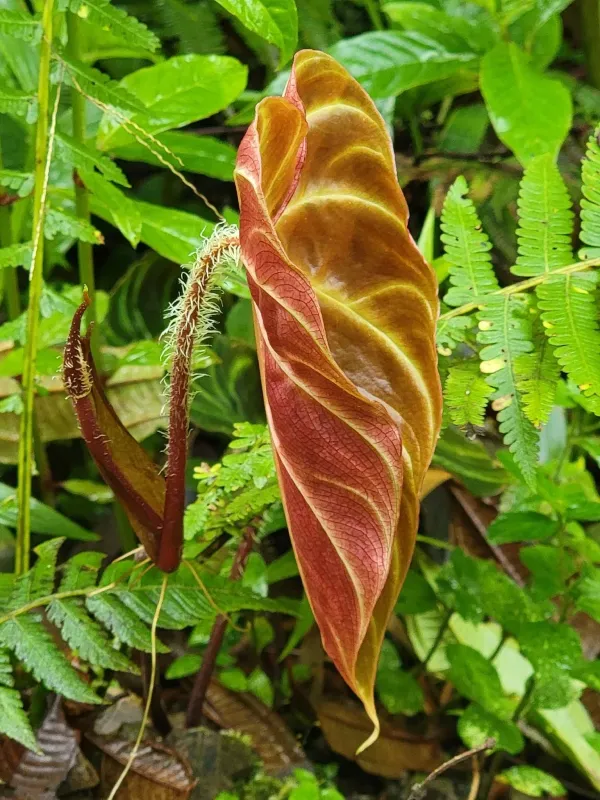
Description
Growing requirements
Philodendron verrucosum is an ornamental species belonging to the Araceae family. Originating from the tropical rainforests of Central and South America, it is highly valued for its distinctive velvety leaves with prominent, lighter-colored venation and bristly petioles.
This crop thrives in warm and humid environments, specifically in locations where temperatures range consistently between 20°C and 26°C. It is sensitive to sudden temperature fluctuations, which can negatively impact its physiological growth and leaf quality.
The substrate requirements are specific to epiphytic plants: a porous, airy, and moisture-retentive mix is essential. Using a blend of sphagnum moss, orchid bark, perlite, and coconut husk ensures adequate aeration and prevents root asphyxiation.
Optimal light levels for Philodendron verrucosum should be bright and indirect. High-intensity light can cause tissue damage to the velvet-textured foliage, whereas low-light conditions result in reduced growth rates and loss of variegation.
Humidity management is the most critical aspect of the crop's cultivation. Levels should be maintained between 70% and 80%, often requiring the use of automated humidification systems or misting in greenhouse conditions to replicate their natural habitat.
Main diseases and pests
Spider mites are the most persistent pest threat to this crop. In low-humidity environments, these mites colonize the underside of the leaves rapidly, leading to yellowing, necrosis, and a general decline in the plant's decorative market value.
Root rot, driven by pathogens such as Phytophthora and Pythium, represents the primary disease risk. This condition is almost exclusively associated with waterlogged substrate, which restricts oxygen flow and facilitates the proliferation of opportunistic fungi.
Mealybugs are another common pest that often hide in the plant's axils or petiole bristles. Their presence can stunt growth and promote the development of sooty mold, which impairs the plant's photosynthetic capacity.
Effective management includes integrated pest control strategies. Regular monitoring of the foliage, maintaining good air circulation within the growing area, and the application of systemic pesticides or biological controls are standard practices.
Plant sanitation is essential for minimizing pathogen spread. Removing debris from the pot surface and ensuring that water does not pool in the crown area helps to maintain the plant's structural integrity and disease resistance.