
Philodendron tuxtlanum
Philodendron tuxtlanum G. S. Bunting
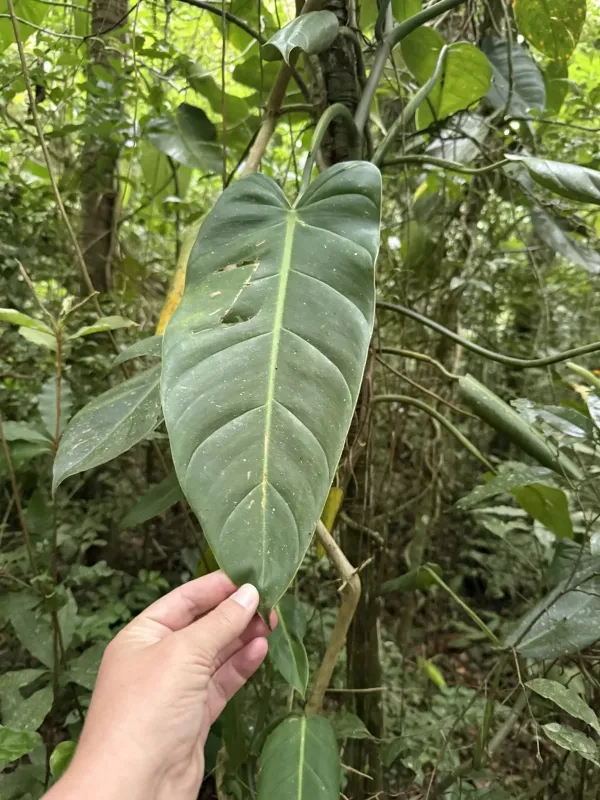
Description
Growing requirements
Philodendron tuxtlanum is an ornamental plant species belonging to the Araceae family, highly valued for its robust, dark green foliage and elegant growth pattern. It is commonly cultivated as a decorative indoor plant within professional greenhouse environments.
The plant originates from the tropical rainforests of Mexico, specifically the Tuxtla region. In its native habitat, it grows as an understory epiphyte, adapted to high humidity and dappled sunlight conditions filtered through the dense forest canopy.
To ensure optimal growth, the species requires a temperature range between 20 and 27 degrees Celsius. It is sensitive to extreme temperature fluctuations and must be shielded from cold drafts, which may inhibit foliage development and overall plant vigor.
The ideal growing medium should mimic the forest floor composition: a well-draining, slightly acidic substrate enriched with organic matter, pine bark, and peat moss. Proper aeration of the root system is essential to prevent asphyxiation and promote active nutrient absorption.
In terms of agricultural application, the species is mass-produced for the global interior landscaping market. Its structural form and relative ease of propagation make it a staple crop for commercial plant nurseries focusing on high-end indoor foliage.
Main diseases and pests
The primary pests affecting Philodendron tuxtlanum are spider mites, which thrive in low-humidity environments, often leading to discoloration and eventual leaf drop if not managed correctly.
Mealybugs pose a significant risk by colonizing leaf axils and stems, where they extract plant sap and secrete honeydew, potentially leading to the growth of sooty mold.
Root rot, primarily caused by Pythium or Phytophthora species, is the most common pathology resulting from waterlogged conditions and poor substrate drainage.
Fungal leaf spot diseases can occur when leaves remain wet for extended periods, encouraging the proliferation of pathogens under poor ventilation conditions.
Effective management includes maintaining a strict sanitation schedule, regular monitoring of the underside of the leaves, and the application of balanced, systemic fungicides when necessary.