
Philodendron hederaceum
Philodendron hederaceum (Jacq.) Schott
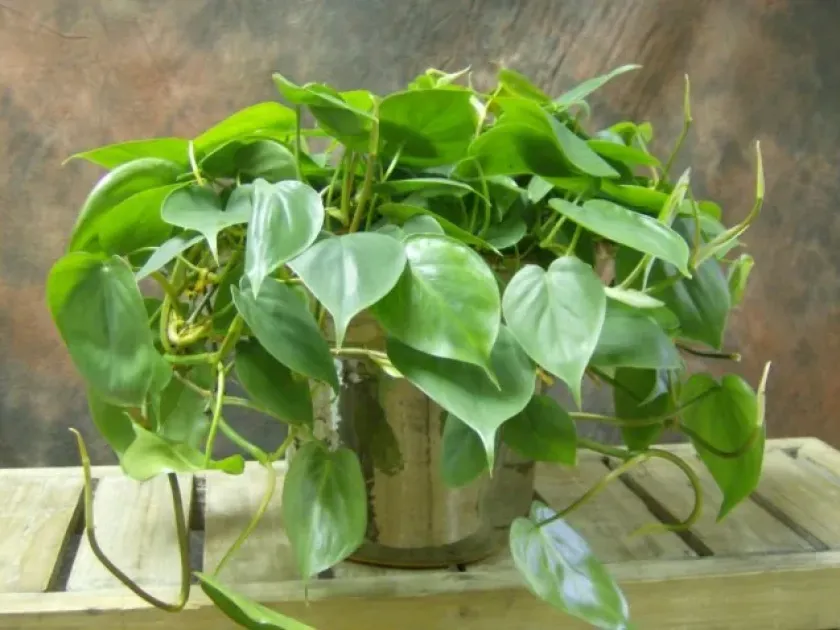
Description
Growing requirements
Philodendron hederaceum, commonly known as the heartleaf philodendron, is a perennial flowering plant belonging to the Araceae family. Native to the tropical regions of Central and South America, it is a climbing epiphyte known for its trailing vines and iconic heart-shaped leaves.
To ensure optimal growth, this plant requires bright, indirect light. While it is adaptable to lower light conditions, consistent exposure to strong direct sunlight can cause leaf scorching and damage the plant's delicate tissues.
The ideal growing medium for this species should be rich in organic matter, well-draining, and slightly acidic. A mix of peat moss, pine bark, perlite, and potting soil provides the necessary environment for healthy root development and gas exchange.
The plant thrives in temperatures between 18°C and 25°C. It is intolerant of frost and cold drafts; therefore, it is essential to place the plant away from doors or windows that may expose it to sudden temperature drops during colder seasons.
Consistent moisture is key, but the soil should be allowed to dry out slightly between waterings. Overwatering is the most common mistake, leading to poor aeration and severe root rot, so an efficient drainage system is mandatory for pot-bound specimens.
Main diseases and pests
Root rot is the most significant threat to Philodendron hederaceum. It is primarily caused by prolonged waterlogging of the soil, which creates an anaerobic environment favoring the proliferation of Pythium and Rhizoctonia fungi.
Spider mites are common pests that thrive in dry indoor environments. They pierce the leaf cells to feed on sap, resulting in yellow stippling and visible webbing on the foliage, which can eventually lead to leaf drop if left untreated.
Mealybugs, identified by their white, cotton-like masses, often cluster in the leaf axils. They weaken the plant by sucking nutrients and secreting honeydew, which serves as a substrate for sooty mold growth on the leaf surfaces.
Aphids can occasionally infest the growing tips and young leaves. Regular inspection and wiping the leaves with a damp cloth or a mild horticultural soap solution can effectively keep pest populations under control during the growing season.
Managing the plant's health involves maintaining adequate humidity levels and proper airflow. If chemical control becomes necessary, use systemic insecticides specifically labeled for indoor ornamental plants, following all safety protocols.