
Red-leaf philodendron
Philodendron erubescens K. Koch & Augustin
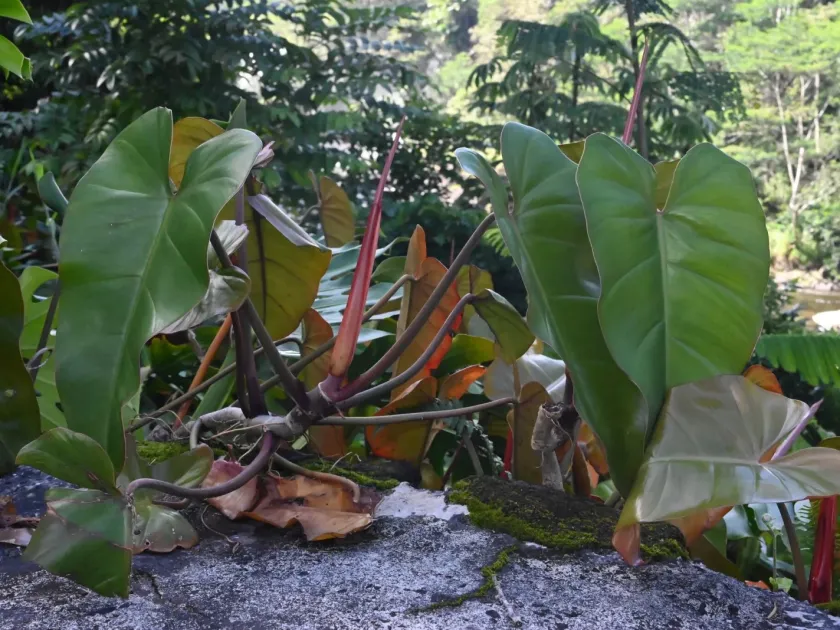
Description
Growing requirements
Philodendron erubescens, commonly known as the Red-leaf philodendron, is a robust evergreen vine belonging to the Araceae family. Originating from the tropical rainforests of Colombia, this plant has adapted to thrive under the forest canopy.
Successful cultivation requires a stable temperature range between 18 and 25 degrees Celsius. It is crucial to protect the plant from sudden drafts and cold snaps, as these can cause significant physiological stress and leaf drop.
This species demands high humidity levels, ideally around 60–70 percent. Regular misting or the use of an automated humidification system is recommended to replicate its natural habitat and maintain leaf turgor pressure throughout the growing season.
The potting medium must be loose, airy, and slightly acidic. A mix consisting of peat moss, pine bark, and perlite provides the necessary aeration and moisture retention that prevents the roots from suffocating in heavy, compacted soil.
Bright, indirect light is essential for maintaining the characteristic reddish-green hue of the leaves. While the plant can tolerate low-light conditions, full shade often results in etiolated growth and decreased vigor in the overall structure of the plant.
Main diseases and pests
The primary pests affecting Philodendron erubescens include spider mites and scale insects. Regular monitoring of the leaf undersides is recommended, and the application of horticultural oils or contact insecticides should be performed at the first sign of infestation.
Root rot, driven by overwatering and poor soil drainage, is a significant threat to this culture. Management involves adjusting the irrigation schedule, ensuring proper drainage, and if necessary, treating the substrate with appropriate fungicides to eliminate pathogens.