
Philodendron domesticum
Philodendron domesticum G. S. Bunting
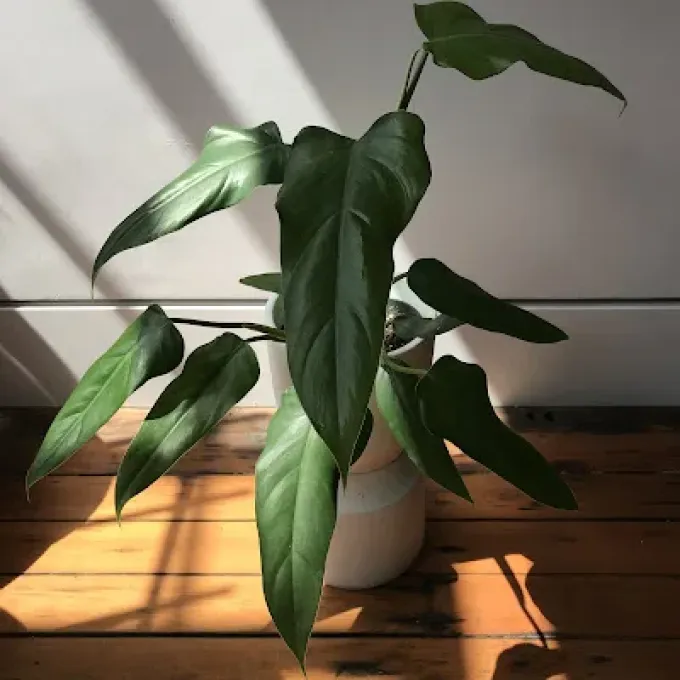
Description
Growing requirements
Philodendron domesticum, commonly known as the Spade-leaf Philodendron, is a member of the Araceae family. Originating from the tropical regions of South America, this plant is well-adapted to the high-humidity environments characteristic of tropical rainforest understories.
The culture thrives in temperatures ranging from 20°C to 28°C. It is highly sensitive to cold stress, and exposure to temperatures consistently below 15°C will severely inhibit plant vigor and may lead to irreversible tissue damage or systemic plant failure.
Soil requirements for this species focus on high porosity and organic matter content. A well-draining substrate composed of peat moss, pine bark, and perlite ensures adequate aeration to the root system, preventing the common issue of soil compaction and hypoxia.
Humidity levels remain a critical factor in the plant's growth cycle. For optimal biomass production, maintain relative humidity between 60% and 80%. Supplemental humidity through misting or automated greenhouse humidification systems is essential in arid climates.
Lighting should be bright but indirect. High-intensity, direct sunlight causes photo-inhibition and scorching of the large leaf surfaces, whereas insufficient light leads to etiolation and a marked decrease in the rate of foliage production.
Main diseases and pests
Spider mites are a prevalent threat to this crop, particularly in environments with low humidity. These pests puncture the leaf cells, resulting in a stippled appearance and significant loss of photosynthetic efficiency if left untreated.
Root rot, driven by excessive soil moisture and poor drainage, remains the most frequent pathology. Managing irrigation schedules to allow the top layer of the substrate to dry between watering cycles is the primary preventative measure for this fungal condition.
Bacterial leaf spot caused by Xanthomonas species can compromise the aesthetic and commercial value of the plant. Maintaining adequate spacing between individual plants is crucial to ensure proper airflow and to reduce the risk of secondary pathogen transmission.
Mealybugs and scale insects represent recurring threats that sequester themselves in the plant's axils. Manual removal, combined with the application of horticultural oils or systemic insecticides, is recommended for effective population control in commercial setups.
To ensure high plant health and longevity, a standardized pest management program should be implemented. This includes regular scouting for early signs of infestation and maintaining optimal nutrient levels to bolster the plant's intrinsic defense mechanisms.