
Philodendron tatei
Philodendron tatei K. Krause
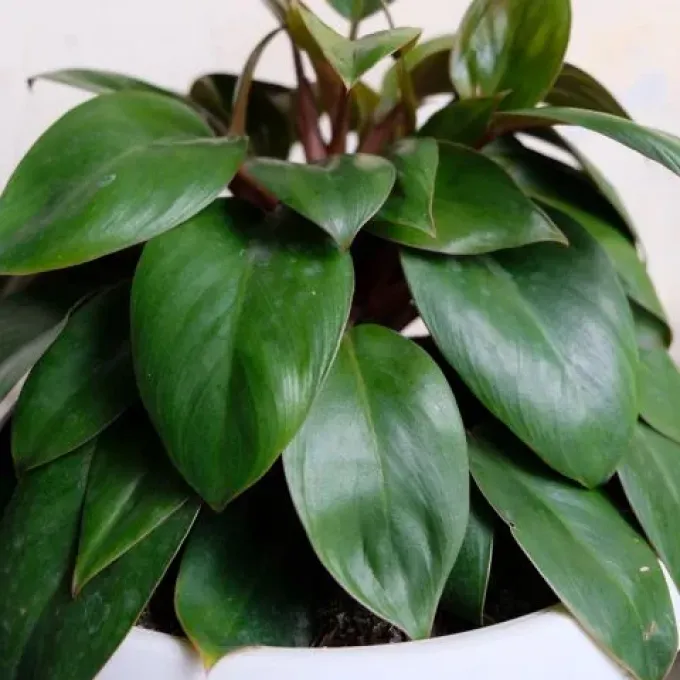
Description
Growing requirements
Philodendron tatei is a notable species within the Araceae family, originating from the humid tropical forests of South America, specifically in regions of Venezuela and Brazil.
As an ornamental crop, it is characterized by a robust growth habit and large, leathery leaves that require sufficient space and proper structural support to develop fully.
Cultivation requires a tropical climate with consistent temperatures between 20°C and 28°C, as the plant is highly sensitive to cold drafts and sudden temperature fluctuations.
The ideal growing medium must be a well-draining, nutrient-rich substrate, often consisting of a mix of peat moss, pine bark, and perlite to support healthy root development.
Proper light management is essential, as the species thrives in bright, indirect sunlight which mimics the dappled light of the jungle canopy under which it naturally evolves.
Main diseases and pests
The primary threats to this plant include common houseplant pests such as spider mites, mealybugs, and scale insects, which often thrive in low-humidity environments.
Root rot, caused by overwatering or poorly draining soil, remains the most significant pathological threat, often leading to rapid decline and death of the plant specimen.
Good hygiene, such as keeping leaves clean from dust, helps the plant respire efficiently and reduces the likelihood of infestations taking hold.
Systemic insecticides should be used sparingly and only when necessary, while preventive measures such as quarantine of new plants are highly recommended.
Monitoring the soil moisture levels before every watering is a vital cultural practice to ensure the substrate remains moist but not waterlogged at any given time.