
Yezo lousewort
Pedicularis yezoensis
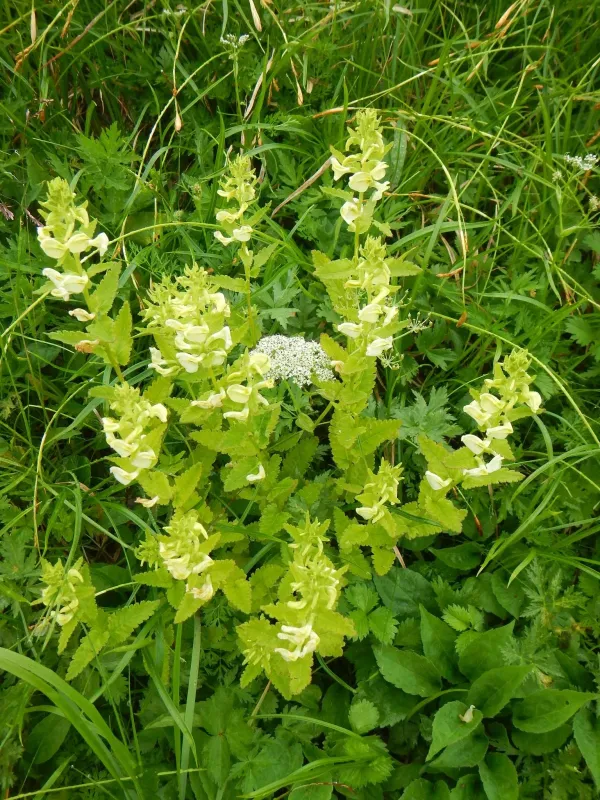
Description
Sowing dates
Pedicularis yezoensis, commonly known as Yezo lousewort, belongs to the Orobanchaceae family and is recognized for its hemi-parasitic lifestyle. Propagation is primarily achieved through seeds, which often require a cold stratification period to break dormancy.
Seeds should be sown in late autumn or early spring into a well-prepared, loose substrate. Given their small size, they must not be buried deeply; a light pressing onto the moist surface is sufficient.
During the initial phase of development, the seedlings require consistent moisture. Providing a greenhouse-like environment or using clear covers can help maintain the necessary humidity levels.
It is essential to plant these seeds near potential host plants, as the young seedlings require root connection to survive and flourish due to their parasitic nature.
The germination process can be slow and sporadic; patience and regular monitoring of soil hydration are key to successful establishment in the garden.
Growing requirements
This species thrives in cool, humid environments with well-drained, nutrient-rich soils. It is native to high-latitude and mountainous regions where the climate remains relatively mild during the growing season.
The ideal location for this crop is a garden area with partial shade, simulating the natural forest floor or meadow edges where it occurs in the wild.
Soil pH should ideally be neutral or slightly acidic. The presence of organic matter is vital for maintaining the structure and moisture-retention capacity of the soil.
Avoid heavy clay soils that retain excessive water, as stagnant moisture is a major factor in root rot development and plant failure.
Temperature management is critical; excessive heat stress can cause rapid decline in the plant's health, so mulching the base is recommended to keep the roots cool.
Main diseases and pests
The main threats to the plant health include fungal infections such as Pythium and Phytophthora, which thrive in waterlogged conditions and attack the delicate root system.
Pests like aphids and leaf miners often target the foliage during the summer months, necessitating regular visual inspections to manage potential outbreaks early.
Competitive weeds pose a significant threat during the establishment phase, as they can deprive the host plant of essential nutrients needed to support the lousewort.
Control strategies should focus on integrated pest management (IPM), using mechanical removal and biological controls instead of harsh chemicals whenever possible.
Maintaining adequate space between individual plants encourages airflow, which naturally reduces the risk of foliar fungal issues and improves overall plant vigor.