
Bracted lousewort
Pedicularis bracteosa
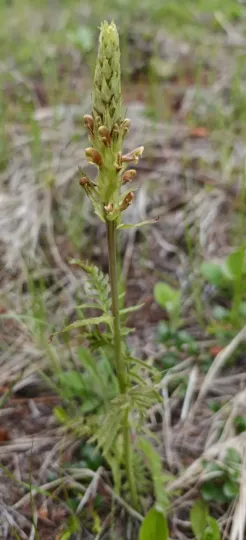
Description
Growing requirements
Bracted lousewort (Pedicularis bracteosa) belongs to the Orobanchaceae family. This perennial herb is native to the mountainous regions of North America, typically thriving in subalpine and alpine meadows.
It is a hemiparasitic plant, meaning it maintains its own photosynthetic capabilities while simultaneously tapping into the root systems of neighboring plants to supplement its water and mineral uptake.
The plant requires well-drained, nutrient-poor to moderately rich soils. It is highly sensitive to waterlogging, preferring mountainous slopes where the soil composition remains aerated and light.
Its climatic requirements are centered around the harsh conditions of high-altitude ecosystems. It favors open sites with high light intensity and is adapted to endure significant diurnal temperature shifts.
Agricultural cultivation of Pedicularis bracteosa is unconventional due to its obligate need for a host. It cannot be grown as an independent crop in typical monoculture systems without suitable vegetation companions.
Main diseases and pests
Habitat loss due to changes in land use and overgrazing presents a significant threat to the bracted lousewort, as it destabilizes the required ecological niche for this species.
Insects such as aphids and specialized coleoptera are known to feed on the foliage and floral stalks, which may hinder seed production and significantly weaken the individual plant.
Root rot, driven by excessive moisture and poor soil aeration, is a major phytopathological concern that can quickly destroy the plant’s ability to attach to its host.
Increased competition from aggressive, non-native plant species in alpine zones can outcompete the lousewort, reducing the availability of sunlight and nutrients necessary for its survival.
The decline in native pollinator populations, particularly wild bumblebees, poses a severe risk to the reproductive success of the species in its natural habitat.