
Pedicularis ascendens
Pedicularis ascendens
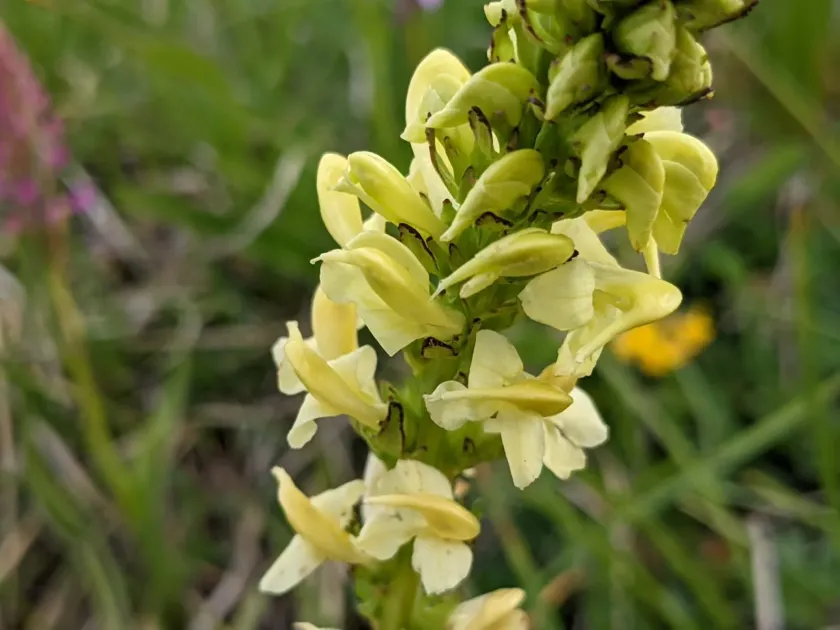
Description
Growing requirements
Pedicularis ascendens, commonly known as a species of lousewort, belongs to the Orobanchaceae family. This perennial herb is native to the mountainous regions of Europe, specifically the alpine and subalpine zones where it thrives in rugged environments.
The plant is classified as a hemiparasite, meaning it derives some of its nutrients and water from the roots of host plants via specialized organs called haustoria. This biological strategy allows it to survive in nutrient-poor alpine soils.
To successfully cultivate this species, it is essential to provide well-drained, porous soil that mimics its natural habitat. The plant requires constant but moderate moisture without the risk of waterlogging, which can be detrimental to its sensitive root system.
Climate requirements include cooler ambient temperatures and high exposure to natural light. Pedicularis ascendens is highly frost-tolerant and does not require intensive care in regions that experience cold winters and mild summers.
When selecting a planting site, prioritize locations with good aeration and natural slopes. Avoiding heavy, clay-rich soils is crucial, as the plant needs a balance of oxygen and moisture to maintain its hemiparasitic function.
Main diseases and pests
The primary threats to Pedicularis ascendens are soil-borne fungal pathogens. Overwatering is the most common cause of root rot, which can decimate populations of this plant rapidly, especially in poorly ventilated environments.
Pest pressure often includes aphids, which target the tender shoots and floral parts of the plant. These insects not only extract vital sap but can also weaken the plant’s overall health, making it more susceptible to secondary infections.
Foliar diseases, such as mildews, may occur if the plants are crowded together without adequate air circulation. Keeping planting distances appropriate is a simple yet effective management strategy.
Weed competition is a significant challenge, particularly in the seedling stage. Since the plant relies on establishing connections with host plants, excessive weeds can prevent it from finding suitable partners for survival.
Effective management involves consistent monitoring for early signs of yellowing or wilting. Removing infected parts and maintaining optimal soil conditions remain the best defenses against common diseases.