
Pedicularis brachyodonta
Pedicularis brachyodonta
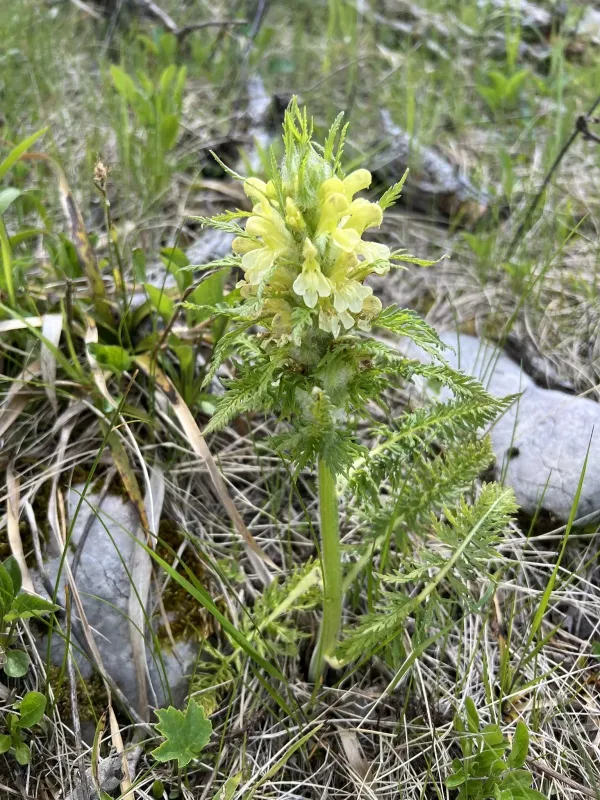
Description
Growing requirements
Pedicularis brachyodonta belongs to the Orobanchaceae family and is known for its hemiparasitic nature. It is a perennial herb that relies on establishing root connections with host plants to obtain water and mineral nutrients.
The plant is native to high-altitude mountainous regions, specifically subalpine and alpine meadows. It thrives in cool, moist environments where snow cover provides protection during the long winter dormant period.
Regarding soil requirements, the species prefers well-drained, nutrient-rich, and slightly acidic soils. Good structure and organic content are essential to support the complex root system and the associated host plants.
Climate conditions are critical, with a preference for moderate summer temperatures. Heat stress and low humidity are detrimental, meaning the plant is rarely found in lowland or arid environments.
Successful growth requires the presence of appropriate host plant species nearby. The interaction between the parasite and the host is highly specialized, and the absence of suitable partners prevents the development of Pedicularis brachyodonta populations.
Main diseases and pests
The primary threats to Pedicularis brachyodonta involve the loss of habitat connectivity and shifts in meadow plant composition. Overgrazing can destroy host species, effectively starving the hemiparasite.
Fungal infections, particularly root rot, are a significant risk if soil drainage is compromised. Waterlogging during early spring thaw can lead to rapid pathogen spread, affecting the plant's health.
Insects such as specialized lepidopteran larvae may feed on leaves or flowering spikes. While the plant has chemical defenses, heavy infestations can reduce its vigor and seed production capacity significantly.
Environmental degradation, including the use of agricultural chemicals in surrounding areas, can alter soil chemistry and affect the sensitive root connections between the plant and its hosts.
Climate change poses a long-term threat as the warming of mountain environments forces these species into higher altitudes, eventually leaving them with no suitable habitat for survival.