
Pedicularis bicornuta
Pedicularis bicornuta
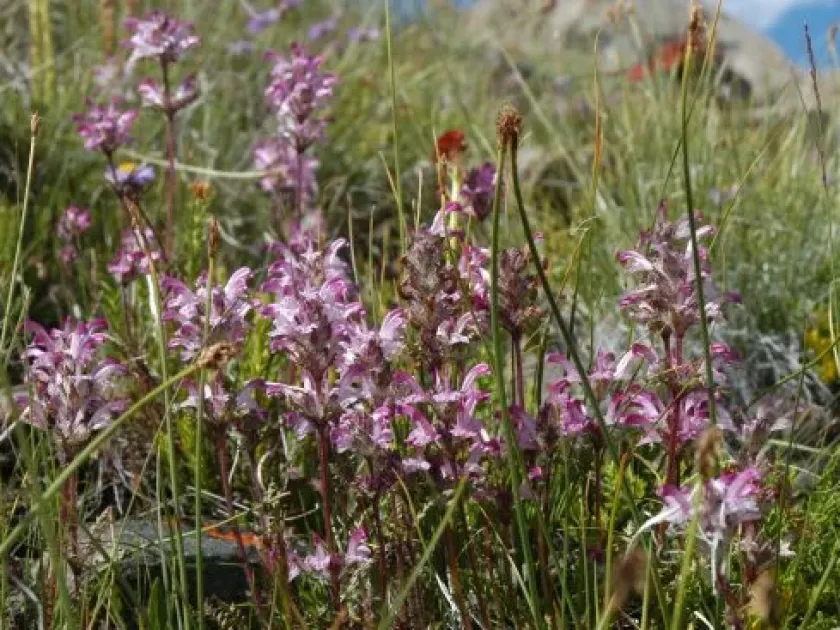
Description
Growing requirements
Pedicularis bicornuta is a herbaceous perennial plant belonging to the Orobanchaceae family. It is recognized for its semi-parasitic nature, utilizing root connections with host plants to obtain nutrients and water, which is a key survival strategy in its native environment.
The species is indigenous to the mountainous regions of the Himalayas. Its natural habitat includes alpine meadows and high-altitude slopes, where it is exposed to harsh conditions, including low temperatures and periodic high moisture levels.
The cultivation of this plant requires specific soil conditions, characterized by high organic content, excellent drainage, and a slightly acidic to neutral pH. Providing suitable host plants in the immediate vicinity is essential for the plant's long-term health and growth.
Climate requirements for Pedicularis bicornuta are strictly alpine; the plant thrives in cool summers and long, cold winters. High heat or extreme fluctuations in soil moisture are detrimental to its growth, often leading to physiological stress.
Due to its complex biological requirements, large-scale agricultural production is not standard. Its maintenance is primarily restricted to specialized research settings or high-altitude botanical gardens where specific ecological conditions can be simulated.
Main diseases and pests
Fungal infections, particularly root rot, represent a primary threat to Pedicularis bicornuta. These often stem from poor soil drainage or excessive irrigation, which damages the delicate balance between the parasite and its host.
Insect pests, including various mountain-dwelling beetle larvae and lepidopteran caterpillars, may cause significant foliage damage during the active growing season, impacting the plant's overall vitality and reproduction.
Nematode infestations are a major concern, as these microscopic parasites directly attack the root systems, compromising the plant's ability to successfully tap into the host and obtain vital nutrients.
Environmental stress, such as unseasonably warm temperatures, can trigger rapid wilting and make the plant more susceptible to opportunistic pathogens that would otherwise be held in check by the plant's natural defenses.
Effective management against threats relies on strict environmental control, including regular monitoring of soil moisture and ensuring that the selected host plants remain robust and healthy throughout the growth cycle.