
Pedicularis wilhelmsiana
Pedicularis wilhelmsiana
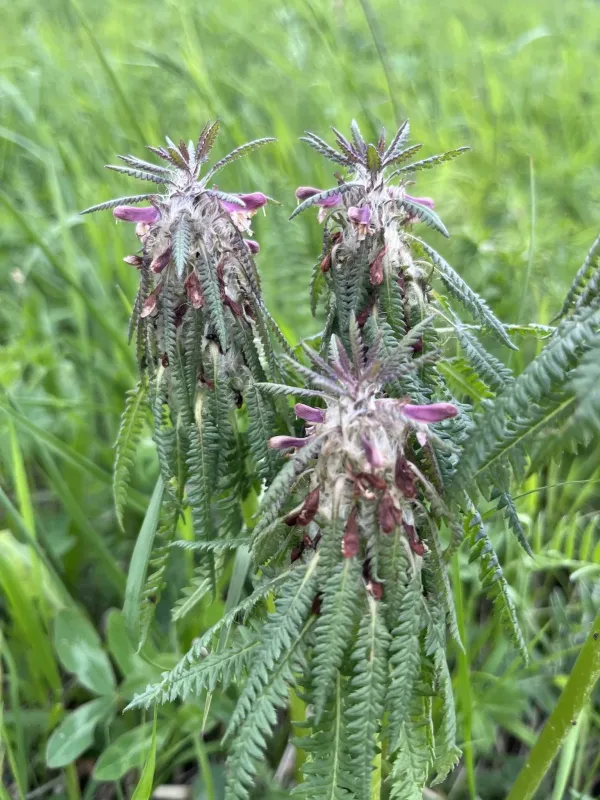
Description
Growing requirements
Pedicularis wilhelmsiana, commonly known as a type of lousewort, is a member of the Orobanchaceae family. It is a perennial herbaceous hemiparasite primarily distributed across the mountainous regions of the Caucasus, where it thrives in alpine and subalpine meadows.
The species requires cool, humid climates to thrive, showing a low tolerance for intense heat or prolonged drought. It is essential to maintain specific environmental conditions that mimic high-altitude ecosystems to ensure the plant's survival during the active growth period.
Soil requirements for this plant are quite specific: it demands well-aerated, stony, or sandy loam soils with moderate acidity. The presence of suitable host plants in the surrounding area is a non-negotiable factor, as the species relies on root attachments for supplemental nutrition.
Botanically, the plant is characterized by its specialized root system featuring haustoria. These structures penetrate the vascular tissue of nearby plants, allowing the lousewort to bypass typical nutrient uptake limitations found in nutrient-poor alpine soils.
Agricultural interest in Pedicularis wilhelmsiana is largely confined to medicinal research and biodiversity conservation. Developing standardized cultivation methods remains challenging because the plant's life cycle is inextricably linked to the host plants it parasitizes.
Main diseases and pests
Root rot is the most significant pathological threat to this culture, often resulting from improper irrigation management or poor soil drainage. When the host plant is stressed or diseased, the hemiparasite also suffers from nutrient deprivation, leading to stunted growth.
Pests such as aphids and specialized coleopterans can cause mechanical damage to leaves and flower spikes. However, the plant contains phytochemicals that offer a level of innate resistance against common agricultural pests found in lowland areas.
Climate change poses a severe threat by altering the alpine microclimates required for germination and root development. Increased temperatures often lead to the displacement of suitable host species, which indirectly threatens the survival of the lousewort.
Protection strategies for this plant should prioritize habitat preservation rather than intensive agricultural intervention. Any application of chemical fertilizers or pesticides is discouraged, as it can disrupt the fragile symbiotic root interactions required for growth.
Ongoing monitoring of soil moisture levels is critical for preventing physiological disorders. By ensuring that the host plant remains healthy, growers can minimize the risk of secondary infections within the Pedicularis population.