
Spike lousewort
Pedicularis spicata
Description
Growing requirements
Spike lousewort (Pedicularis spicata) is a fascinating plant species belonging to the Orobanchaceae family. Unlike standard crops, it acts as a hemiparasite, forming haustorial connections with the roots of host plants to supplement its nutrient intake, primarily in nitrogen and moisture.
The species naturally thrives in sub-alpine regions and meadows with moderate temperatures and stable moisture levels. Its growth cycle is highly dependent on the presence of diverse vegetation communities, making it a key indicator species for healthy natural grassland ecosystems.
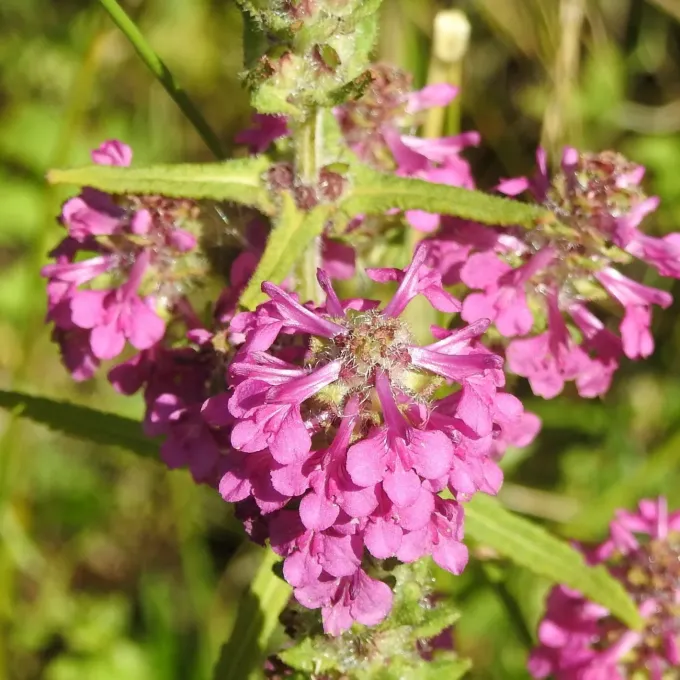
Botanically, it is characterized by an erect stem and a dense, spike-like inflorescence. Its fern-like, pinnately divided leaves are strategically placed to maximize photosynthetic capacity, which is essential for a plant that balances its own carbon fixation with partial parasitism.
Regarding climate and soil, Pedicularis spicata favors well-drained, slightly acidic, and nutrient-rich soils. It is notably resilient to high-altitude radiation and temperature fluctuations, though it struggles in overly disturbed or excessively fertilized agricultural soil.
In terms of хозяйственного usage, the plant is primarily valued for its role in biodiversity and potential pharmacological research. Historically, some related species have been utilized in traditional medicine, although Pedicularis spicata is currently researched more for its secondary metabolites.
Main diseases and pests
The primary threats to Pedicularis spicata populations are habitat fragmentation and the decline of host plants. As the species requires specific host roots to survive, any agricultural practice that removes associated grassland vegetation negatively impacts its growth.
Common pests include specialized beetles and moth larvae that feed on the foliage and flower spikes. Furthermore, fungal infections such as powdery mildew can become a major threat during abnormally wet seasons, causing significant damage to the plant's leaf surface.