
Sibthorp's lousewort
Pedicularis sibthorpii
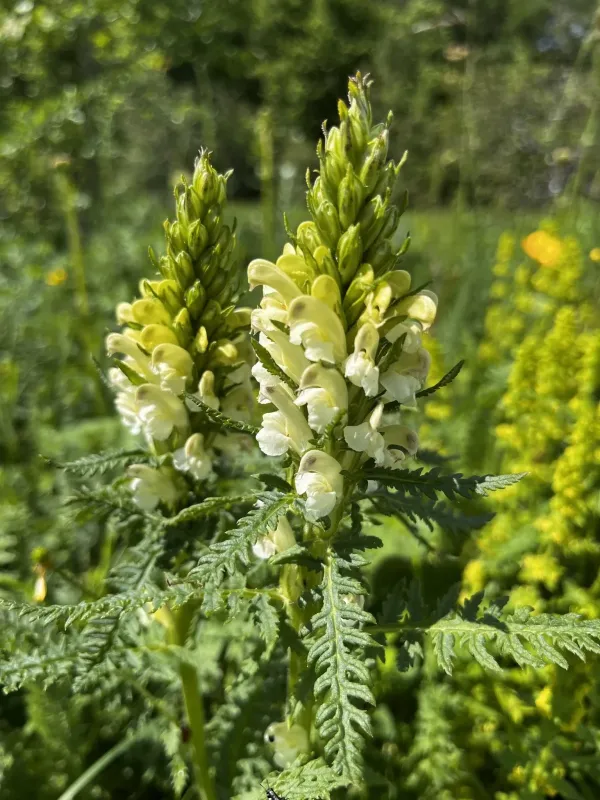
Description
Growing requirements
Sibthorp's lousewort (Pedicularis sibthorpii) is a herbaceous perennial classified within the Orobanchaceae family. It is a hemiparasitic plant, meaning it performs photosynthesis but also supplements its nutrition by attaching to the roots of host plants via specialized organs called haustoria.
The native distribution of this species is largely confined to mountainous regions, particularly within the Caucasus. It thrives in subalpine and alpine meadow ecosystems, where it is found growing alongside various grasses and forbs that serve as its potential host partners.
Regarding soil requirements, this plant demands well-drained but consistently moist substrates rich in organic matter. Because it is a root parasite, the presence of appropriate host vegetation in the immediate vicinity is essential for the plant to reach maturity and produce seeds.
The climate must be cool and moist, mimicking the conditions of high-altitude mountain slopes. Extreme heat and persistent drought stress are detrimental to its metabolism, often resulting in the premature senescence of the vegetative canopy and failure to flower.
Agrotechnical management is highly specialized due to the plant's parasitic nature. Propagation usually requires a controlled environment where the host species is established first, followed by the careful introduction of the lousewort seeds into the root zone of the host.
Main diseases and pests
Fungal pathogens remain the most significant threat to the health of Sibthorp's lousewort. High humidity combined with poor airflow can lead to the rapid development of leaf spots and root rots, which often prove fatal in the sensitive early growth stages.
Insect pests, particularly various larvae of moths and beetles, frequently feed on the tender leaves and stems. This damage can severely impact the plant's ability to produce the energy required for its hemiparasitic survival strategy.
Root-knot nematodes pose a hidden but severe threat to the plant's stability. By damaging the root system, these pests inhibit the plant's ability to maintain its parasitic connection, ultimately leading to nutrient deprivation and collapse.
Aphids represent a primary vector for viral diseases. These infections manifest through leaf discoloration and stunted growth patterns, which significantly reduce the overall vitality and reproductive success of the plant population.
Competition from vigorous meadow weeds can also suppress the growth of this plant. Since it is a relatively slow-growing species, it can easily be outcompeted for space and resources if the surrounding vegetation is managed improperly or becomes too dense.