
Beaked Lousewort
Pedicularis rostratospicata
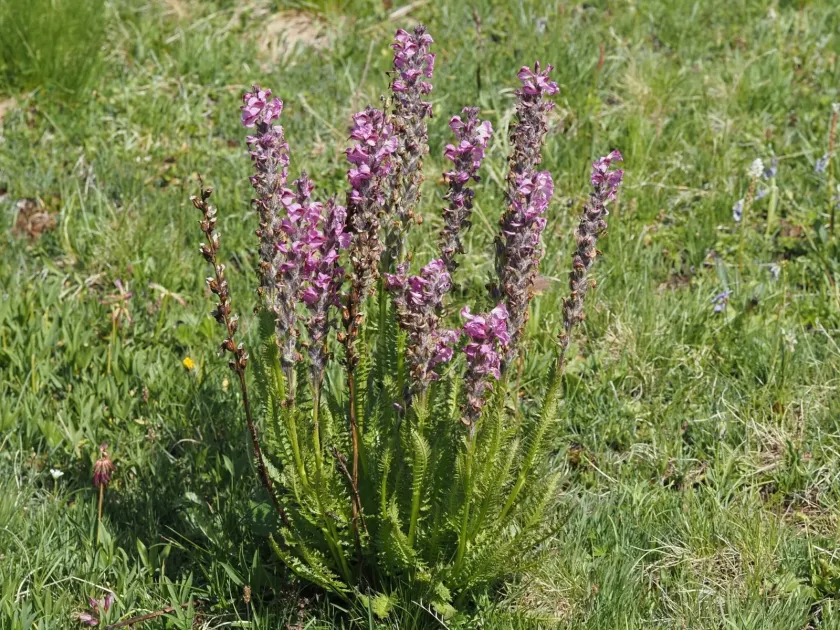
Description
Growing requirements
Beaked Lousewort (Pedicularis rostratospicata) is a perennial herbaceous plant belonging to the Orobanchaceae family. Unlike common agricultural crops, this species is not cultivated but exists as a specialized hemiparasite within mountain meadow ecosystems.
The plant originates from the high-altitude regions of Central Europe, specifically the Alps. Its natural habitat includes subalpine and alpine grasslands where it thrives on nutrient-rich limestone soils and experiences significant thermal fluctuations throughout the day.
A distinctive botanical feature of this species is its hemiparasitic nature. It uses specialized root organs called haustoria to tap into the root systems of neighboring plants to obtain water, minerals, and carbon compounds, which is essential for its survival.
Requirements for its growth are strictly linked to its alpine environment. The plant demands high sunlight exposure and well-drained, carbonate-rich soils. It cannot tolerate waterlogged conditions or high levels of competition from rapidly growing invasive species.
Propagation is primarily seed-based, and germination is often dependent on specific chemical cues from the root exudates of its host plants. This dependence makes the plant unsuitable for standard agricultural practices and necessitates protection of its natural habitat.
Main diseases and pests
Though not an agricultural crop, Pedicularis rostratospicata faces several threats, primarily driven by environmental changes and land-use practices. Overgrazing by livestock is the most significant threat, as it destroys the delicate turf and the host plants needed for survival.
Fungal pathogens represent another significant risk, particularly during seasons with excessive moisture. These fungi can compromise the structural integrity of the stems and leaves, ultimately reducing the reproductive output of the affected plants.
Insects that feed on the nectar or plant tissues can cause damage to the inflorescences, preventing the formation of viable seeds. Specialized pests that exploit the hemiparasitic life cycle can also lead to population declines in specific geographic pockets.
Climate change poses a long-term threat to the species, as warming temperatures force mountain-dwelling plants into narrower altitudinal ranges. As alpine conditions shift, the plant may lose access to its preferred host species and microclimates.
Conservation strategies focus on minimizing direct human disturbance in its range. Monitoring the health of these populations and preserving the integrity of alpine meadow soils are critical to ensuring the survival of this rare botanical species.