
Pedicularis resupinata
Pedicularis resupinata
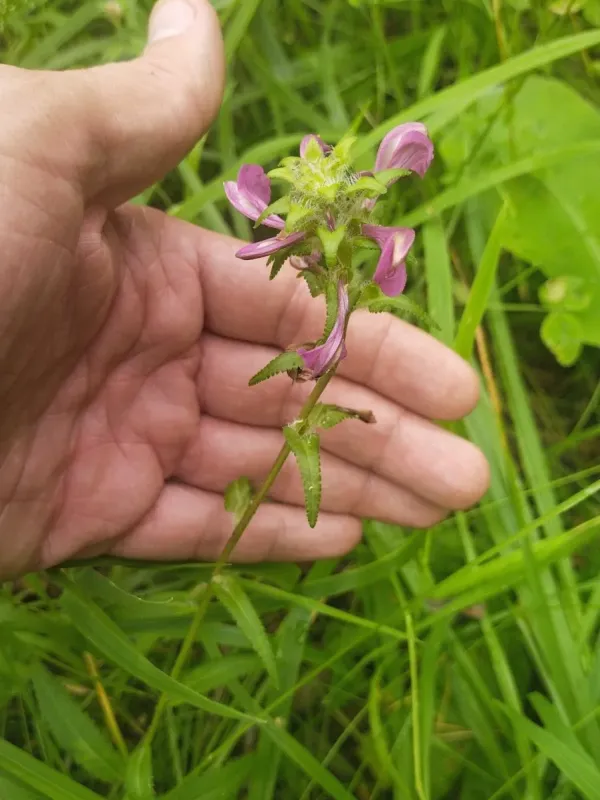
Description
Growing requirements
Pedicularis resupinata, commonly known as the resupinate lousewort, belongs to the Orobanchaceae family. It is a perennial herbaceous plant recognized for its hemiparasitic nature, drawing nutrients from the roots of neighboring flora.
The native range of this plant extends across East Asia, predominantly found in wetlands, forest edges, and along riverbanks. It thrives in temperate, high-humidity regions where environmental conditions are consistent throughout the growing season.
The plant requires well-drained but moisture-retentive soils rich in organic matter. A slightly acidic to neutral soil pH is ideal for maintaining the health of its specialized root system and its interactions with host plants.
Successful cultivation requires the presence of appropriate host species. As a hemiparasite, Pedicularis resupinata relies on haustorial connections to host roots to obtain water and essential mineral nutrients for optimal development.
Environmental conditions should mimic those of moist meadows, characterized by stable temperature regimes and adequate light exposure that is not overly intense, preventing the wilting of tender foliage.
Main diseases and pests
The primary threats to Pedicularis resupinata cultivation involve root rot pathogens. Excess moisture in poorly aerated soils creates an environment conducive to fungal proliferation, which can quickly destroy the plant's root system.
Aphid infestations represent a frequent pest concern. These insects cluster on the upper stems and flower buds, extracting sap and weakening the plant, which often leads to reduced seed set and stunted growth.
Fungal leaf spots can occur in dense, humid environments. Maintaining proper spacing between plants is crucial to encourage air movement and reduce the humidity levels that facilitate pathogen transmission.
Chemical control must be approached with caution. Because the plant derives its sustenance from a host, broad-spectrum herbicides and some systemic insecticides can be toxic to both the host and the parasite.
To ensure healthy growth, cultivators should practice integrated pest management, focusing on biological controls and manual removal of heavily infested leaves during the peak vegetative stage.