
Pyrenean lousewort
Pedicularis pyrenaica
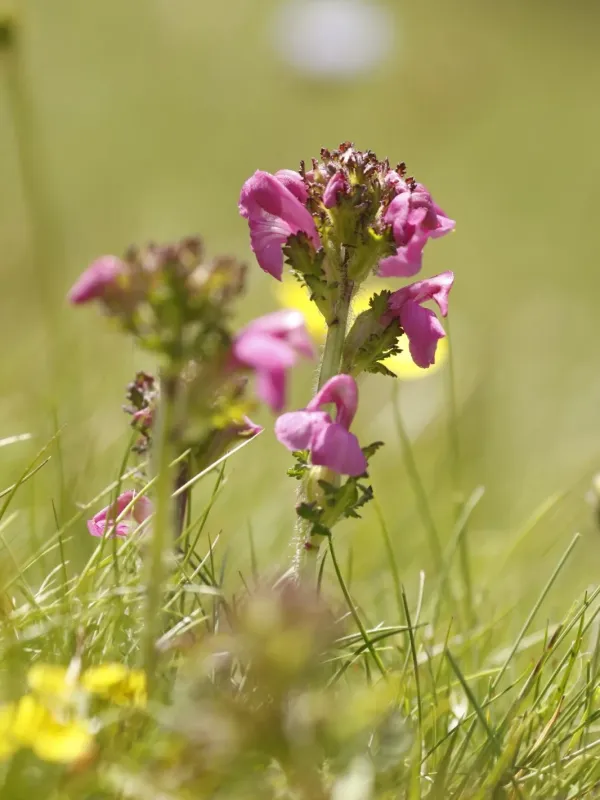
Description
Growing requirements
The Pyrenean lousewort (Pedicularis pyrenaica) is a member of the Orobanchaceae family. This perennial herb is native to the high-altitude mountainous regions of the Pyrenees and similar European ranges.
The species is a hemiparasite, meaning it derives part of its nutrition from a host plant. It utilizes root haustoria to tap into the root systems of surrounding plants for water and nutrients.
The plant thrives in alpine meadows, requiring high light intensity and moderate soil moisture. Well-drained soils are essential to prevent root rot caused by stagnant water.
Soil quality should ideally include high organic matter content with a slightly acidic to neutral pH balance, mimicking the conditions of its natural alpine environment.
Cultivation success depends heavily on the presence of suitable host species, which facilitate the growth and survival of the Pyrenean lousewort throughout the season.
Main diseases and pests
Fungal diseases are a primary concern, particularly those that flourish when there is poor air circulation or excessive moisture around the base of the plants.
Pests such as aphids pose a significant threat to the foliage and flower stems, potentially causing stunted growth and lower reproductive success.
Late frost events during the early stages of the growing season can damage fragile new growth, particularly if the plant begins developing prematurely.
Competitive stress from aggressive weeds that outcompete the lousewort for sunlight or space can also negatively impact its ability to secure host connections.
Climate change impacts, specifically erratic snowfall and droughts, disrupt the delicate balance required for the hemiparasitic cycle of the plant.