
Pedicularis punctata
Pedicularis punctata
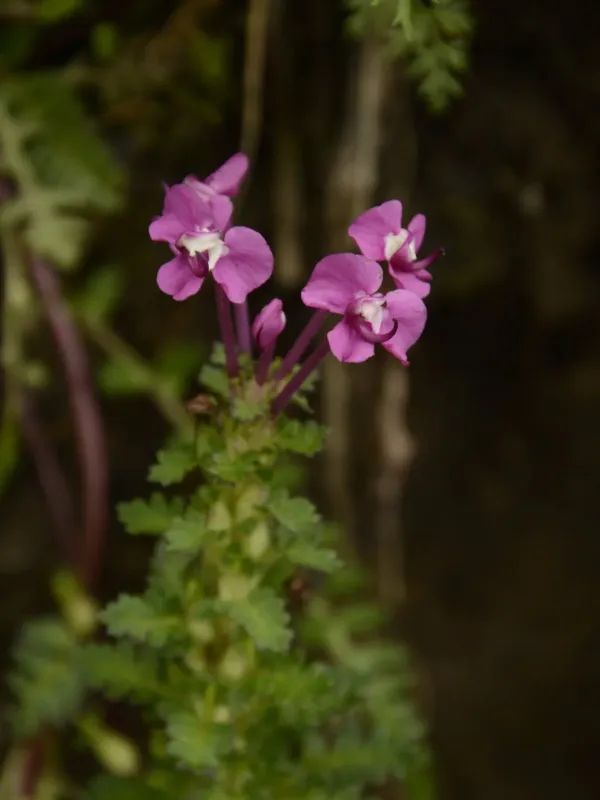
Description
Growing requirements
Pedicularis punctata is a perennial herbaceous plant belonging to the Orobanchaceae family. It is a known hemiparasite that establishes connections with the root systems of surrounding host plants to supplement its nutrient and water intake.
The native habitat of this species is primarily located in the subalpine and alpine mountain zones, particularly throughout the Caucasus region. It thrives in high-altitude meadows where the climate provides ample moisture and consistent light levels during the growing season.
The plant has specific soil requirements, preferring substrates rich in organic matter with neutral or slightly acidic pH levels. Good drainage is essential, as the species is sensitive to waterlogged conditions that can cause root decay.
Botanically, it features a sturdy stem with pinnately lobed leaves arranged in a characteristic pattern. The flowers are arranged in dense spikes or racemes, showcasing specialized morphological adaptations for pollination in high-altitude environments.
From an agricultural and research perspective, its use is limited to ecological studies and conservation biology. Cultivating Pedicularis punctata requires careful management of host-parasite interactions to ensure its survival in a controlled setting.
Main diseases and pests
Primary threats to Pedicularis punctata populations include habitat degradation caused by intensive livestock grazing in mountain meadows. Physical trampling destroys the delicate root systems required for its hemiparasitic survival.
Insect pests represent a significant threat to the vegetative and reproductive structures of the plant. Certain larvae feed within the stem or on the flower heads, which can severely curtail the plant's seasonal reproductive capacity.
Fungal pathogens represent an additional risk, especially in environments where humidity levels fluctuate rapidly. Conditions such as root rot can develop if soil aeration is insufficient or if stagnant water collects around the base.
Climate change poses a long-term risk, as altered precipitation patterns in mountain zones can affect the availability of host plants. The stability of these biological communities is crucial for the continued success of the species.
Mitigation strategies include implementing protected grazing zones and avoiding dense monocultural planting. Maintaining a diverse ecosystem that includes both the Pedicularis punctata and its essential hosts is necessary for healthy cultivation.