
Pedicularis porrecta
Pedicularis porrecta
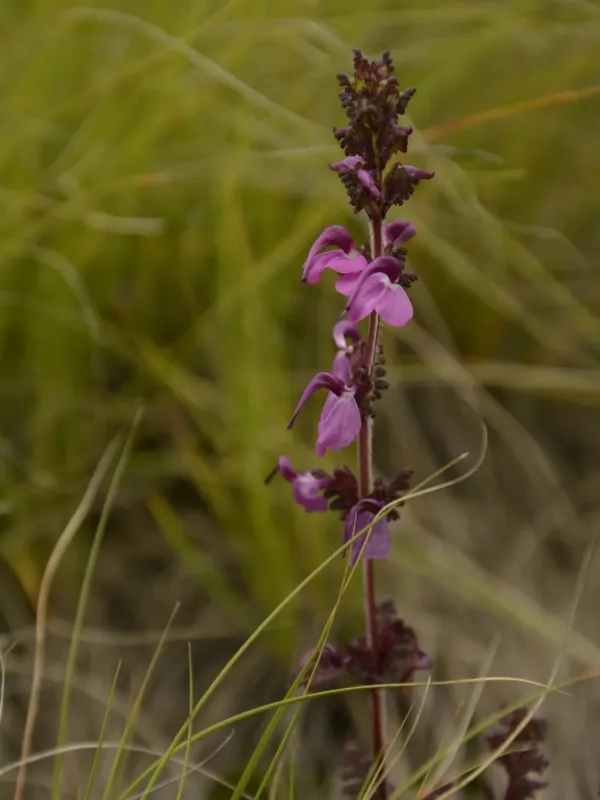
Description
Growing requirements
Pedicularis porrecta, commonly known in botanical contexts by its scientific name, belongs to the Orobanchaceae family. It is a perennial herbaceous plant recognized for its hemiparasitic nature, drawing essential nutrients by attaching its roots to those of host plants.
The native distribution of this species spans across diverse meadow ecosystems in Eastern Europe and Northern Asia. It thrives primarily in damp, nutrient-rich habitats such as floodplains, wet meadows, and marshy peripheries where moisture is consistent throughout the year.
For successful growth, this species requires specific edaphic conditions, preferring soils with moderate moisture levels and stable chemical composition. The presence of suitable host plant species is essential, as the hemiparasite relies on them for supplemental water and mineral resources.
Climatic requirements are characterized by a preference for cool to temperate environments with significant winter dormancy. It is highly adapted to tolerate severe frosts, which are typical for the northern regions of its natural habitat range.
Cultivation of this plant is typically performed for research or ecological restoration purposes rather than for industrial agriculture. It acts as a vital component in preserving biodiversity within native grassland restoration projects.
Main diseases and pests
The primary threat to Pedicularis porrecta populations is habitat loss caused by agricultural drainage and land reclamation. These activities destroy the specific hydrological conditions required for the plant to maintain its root connection with host species.
Changes in soil chemistry resulting from the intensive use of fertilizers significantly impact the stability of native meadows. Pedicularis porrecta is sensitive to high nitrogen concentrations, which can disrupt the delicate balance of the plant's symbiotic root associations.
Fungal pathogens associated with high humidity represent a recurring threat to the plant's structural integrity. During exceptionally wet seasons, the risk of root and stem rot increases, potentially leading to a decline in population density.
Invasive species or aggressive agricultural weeds can outcompete Pedicularis porrecta by altering the composition of the plant community. When the availability of native host plants decreases, the survival rate of the hemiparasitic population drops drastically.
Grazing management is also critical. Uncontrolled or over-intensive livestock grazing can cause mechanical destruction of the plants and compact the soil, making it difficult for the seeds to germinate and for the root system to penetrate effectively.