
Pontic lousewort
Pedicularis pontica
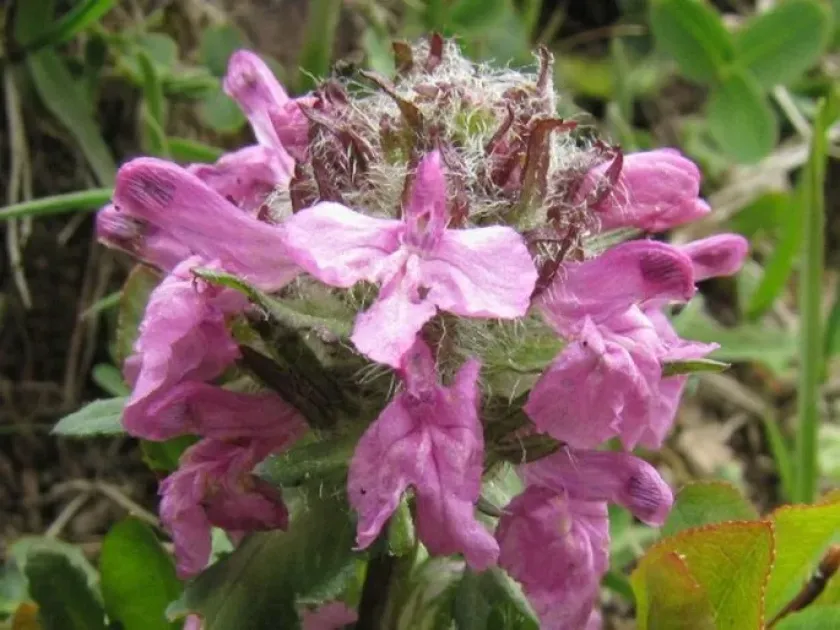
Description
Growing requirements
Pontic lousewort (Pedicularis pontica) is a member of the Orobanchaceae family. It is a perennial herbaceous plant that functions as a hemiparasite, meaning it derives some of its nutrients by tapping into the roots of neighboring plant species.
The native range of this species is primarily focused on the Caucasus mountains. It thrives in alpine and subalpine meadows, where it forms part of a complex community of mountain flora, relying on the presence of diverse plant hosts to survive.
Botanically, the plant is characterized by a sturdy stem and deeply dissected foliage. The flowers are arranged in dense terminal racemes, featuring the complex, two-lipped structure typical of the Pedicularis genus, which requires specific pollinator visitation.
Cultivation requirements are strict due to the plant's hemiparasitic nature. Successful growth depends on the availability of suitable host plants in the rhizosphere. Soil must be well-drained, nutrient-rich, and maintained at a neutral to slightly acidic pH level.
The species requires a cool, humid mountain climate to thrive. It is not suitable for hot, lowland cultivation, as it lacks the physiological adaptations to handle high summer temperatures and prolonged drought conditions common in lower altitudes.
Main diseases and pests
The main health threats for Pedicularis pontica include fungal infections such as root rot, which typically develop in waterlogged soil conditions. Proper drainage systems are essential to prevent moisture accumulation around the base of the stem.
Insect pests such as aphids and specialized coleopterans pose a risk by damaging flower buds and young leaves. Infestations can lead to reduced seed production, hindering the natural regeneration cycle of the plant population.
Rodents can cause significant damage to the root system during winter dormancy. Protecting the perimeter of the planting site is a standard procedure to ensure the survival of the plants during the colder months when food sources are scarce.
Viral pathogens may also affect the plant, causing mosaic patterns or stunting, which are usually transmitted via insect vectors. Maintaining clean surrounding vegetation can help reduce the pressure from potential disease-carrying pests.
Integrated pest management strategies are recommended, focusing on maintaining strong, healthy plants through optimal environmental control. Chemical interventions should be minimized to avoid disturbing the sensitive ecological balance of alpine species.