
Pedicularis petiolaris
Pedicularis petiolaris
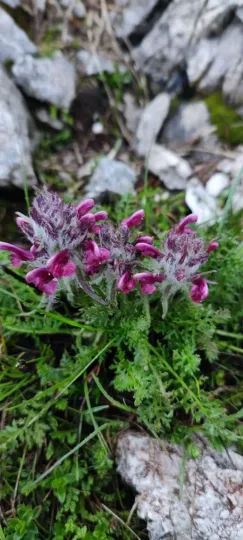
Description
Growing requirements
Pedicularis petiolaris belongs to the Orobanchaceae family and is recognized as a perennial hemiparasitic plant. It is biologically unique due to its dependence on host plants, from which it extracts water and essential minerals via specialized root organs known as haustoria.
The species naturally inhabits temperate regions, thriving in moist meadows and forest margins. Its cultivation requires a precise balance of soil moisture and nutrient composition, reflecting the conditions found in its native ecosystems.
For successful growth, it is essential to provide suitable host plants in the immediate vicinity. The absence of compatible roots for attachment prevents the plant from reaching maturity and completing its reproductive cycle.
Environmental requirements include a cool to moderate climate and protection from intense direct sunlight during the hottest part of the day. The soil must be rich in organic matter but should not be heavily fertilized with chemical inputs that could disrupt the parasitic interaction.
Management of the species involves ensuring the stability of the plant community. As a hemiparasite, its health is intrinsically linked to the health of the surrounding vegetation, requiring an ecological approach to its cultivation rather than standard agricultural practices.
Main diseases and pests
Root pathogens represent a significant threat to Pedicularis petiolaris, especially in waterlogged or poorly drained soils where fungal growth is favored.
Insect pests such as leaf beetles are known to feed on the foliage, which can substantially weaken the plant and reduce its seed production capabilities.
Weed encroachment is a major limiting factor, as the slow-growing hemiparasite can easily be overshadowed and outcompeted by more aggressive herbaceous species.
Environmental stressors like prolonged drought or unseasonable frosts can disrupt the delicate haustorial connection between the parasite and its host, leading to dehydration.
Lack of biodiversity in the host plant population can lead to stunted growth, as the plant relies on a diverse range of secondary metabolites obtained from multiple hosts to maintain its full metabolic vigor.