
Marsh lousewort
Pedicularis palustris
Description
Growing requirements
Marsh lousewort (Pedicularis palustris) is a member of the Orobanchaceae family, known for its semi-parasitic nature. It derives nutrients by attaching to the root systems of neighboring plants, such as grasses and sedges, using specialized organs called haustoria, which allow it to thrive in specific wetland environments.
The species is widely distributed across the northern hemisphere, typically occurring in habitats characterized by permanent moisture, such as fens, marshes, and damp meadows. It is highly dependent on high water tables and does not tolerate significant drops in soil moisture, making it a bioindicator of wet landscapes.
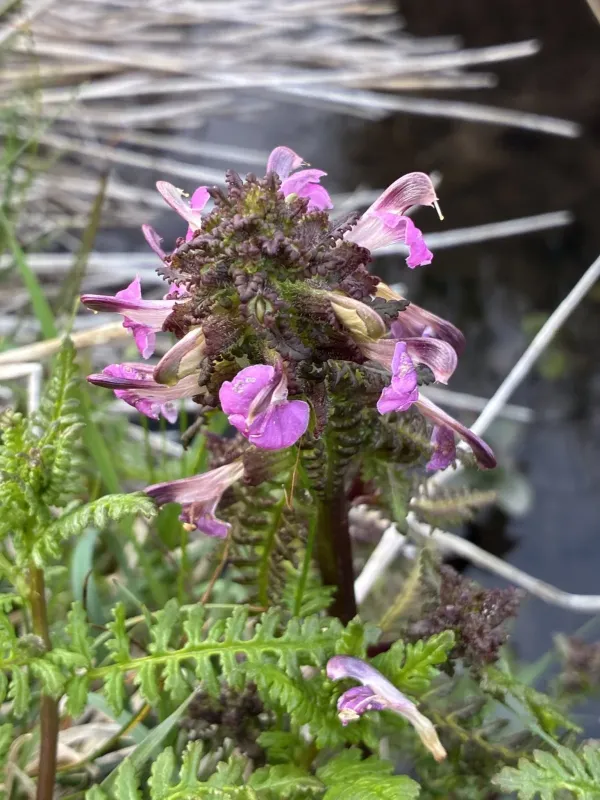
From a botanical perspective, the plant features a distinct erect stem, often tinged with purple, reaching heights of up to 60 cm. Its foliage is finely divided, and it produces spikes of bilateral, hooded flowers that range from deep pink to purple, which are essential for attracting specific pollinators.
The environmental requirements for Pedicularis palustris are specific to high-moisture zones. Agronomically, the presence of this plant in fields is often seen as a constraint to productivity, indicating areas where drainage systems might be ineffective or soil conditions are too waterlogged for standard crop rotation.
Regarding its utility, the plant has no major commercial agricultural value. Its chemical composition, which includes various alkaloids, makes it potentially toxic if consumed by livestock. Therefore, land managers generally aim to limit its presence to improve forage safety and the overall quality of pasture biomass.
Main diseases and pests
The primary threat to the stability of a Marsh lousewort population is agricultural land improvement. Drainage and irrigation projects that aim to lower water tables are the most effective methods for eradicating this plant, as it cannot adapt to dry or well-drained terrestrial environments.
The plant faces pressure from various fungal pathogens that thrive in the saturated, stagnant environments it calls home. Root and stem rots can frequently affect plant vigor, especially during cooler, wetter months, leading to premature senescence and reduced reproductive success.
Insect pests, including specialized foliage-feeding beetles and moth larvae, can cause structural damage to the plant. These infestations often reduce the surface area available for photosynthesis, which is critical for a semi-parasite that needs significant energy to support its host-attachment process.
Competition from more aggressive, non-parasitic perennial grasses can also threaten its survival. In high-fertility environments where competitive species can grow faster and shade out smaller plants, the lousewort struggles to establish the necessary root connections to its hosts.
Chemical control remains an option in integrated pest management (IPM) strategies for pastures. The use of selective herbicides can effectively disrupt the plant's growth cycle, although this is usually coupled with drainage management to ensure long-term site transformation.