
Oeder's lousewort
Pedicularis oederi
Description
Growing requirements
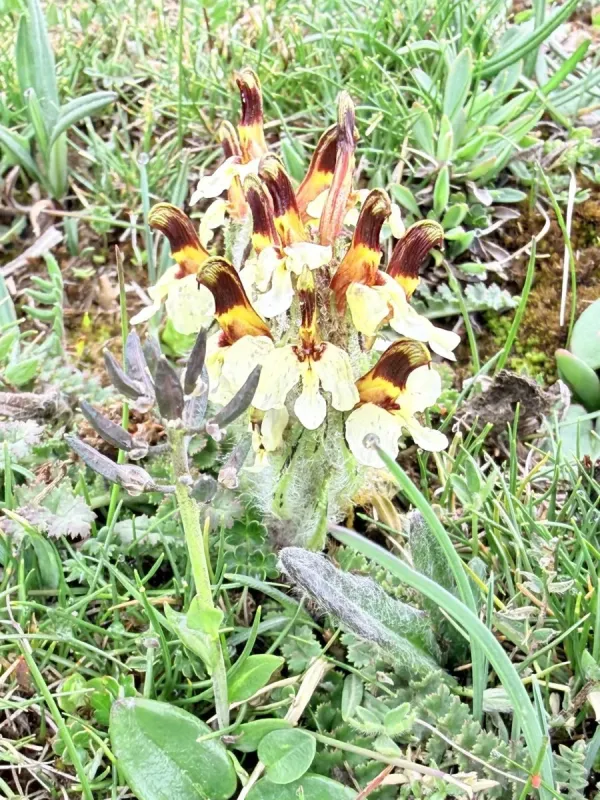
Oeder's lousewort (Pedicularis oederi) is a perennial herbaceous plant belonging to the Orobanchaceae family. As a hemiparasite, it possesses the ability to photosynthesize while also drawing water and nutrients from the roots of adjacent plant species.
The species is native to alpine and arctic regions across the Northern Hemisphere. It is specialized to thrive in nutrient-poor, cold climates where it often occupies niches in mountain meadows and tundra environments.
Cultivation requires strict adherence to environmental conditions typical of high altitudes. Key requirements include cool soil temperatures, excellent drainage, and protection from excessive heat and direct, harsh sun during the hottest parts of the day.
The ideal soil for this species is a gritty, well-draining substrate with a high content of organic matter. Compaction must be avoided at all costs, as the roots are sensitive and require consistent gas exchange to thrive alongside their host plants.
Botanical features include low-growing rosettes and terminal spikes of vivid yellow or reddish flowers. The plant's root system is specialized, forming haustoria that penetrate the roots of host species, making it a difficult plant to propagate without its symbiotic partners.
Main diseases and pests
The primary threats to Pedicularis oederi in a controlled environment are fungal pathogens, specifically those causing root and crown rot. These diseases thrive in environments with poor air circulation and water-logged soils.
Pests such as aphids and spider mites can infest the foliage, particularly when the plants are stressed by suboptimal light or temperature conditions. Soil-borne nematodes also pose a significant risk, as they directly impact the root efficiency.
Preventive measures focus on providing optimal drainage and choosing appropriate host plants that do not harbor common pathogens. Regular inspection of the root zone is crucial for early detection of any health issues.
Integrated pest management in this context involves physical barriers and cultural practices rather than heavy chemical intervention, which could potentially disrupt the complex root relationships required for the plant's survival.
Maintaining a clean growing area and removing dead plant debris prevents the buildup of inoculum, ensuring that the hemiparasitic plant remains healthy throughout its growing season.