
Pedicularis nipponica
Pedicularis nipponica
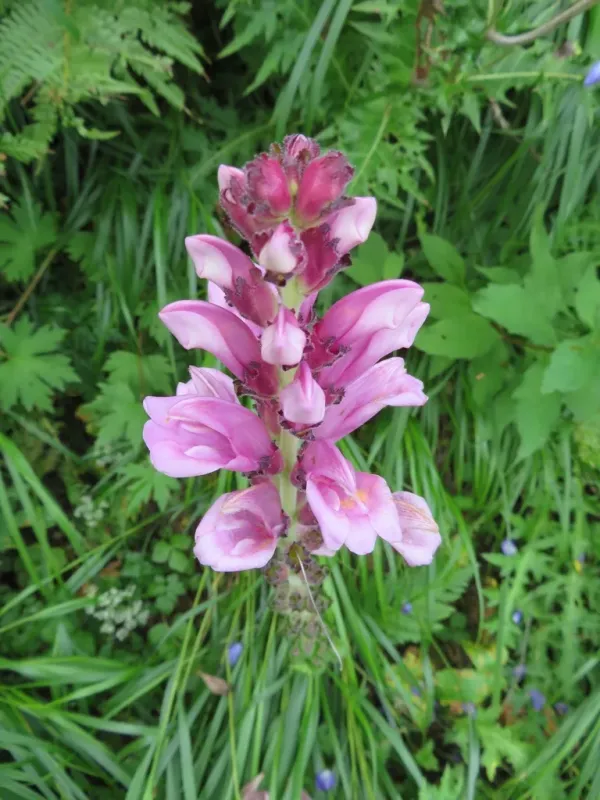
Description
Growing requirements
Pedicularis nipponica, commonly known as Nippon lousewort, is a herbaceous perennial plant belonging to the Orobanchaceae family. It is distinct due to its hemiparasitic nature, where it partially relies on host plants for nutrient uptake via specialized root structures known as haustoria.
Native to the regions of East Asia, including Japan, this species is naturally found in moist meadow environments and along riparian zones. Its biological adaptations allow it to thrive in landscapes that provide both adequate light and moisture.
Regarding soil requirements, the plant prefers fertile, well-draining soils with slightly acidic to neutral pH levels. Ensuring good soil structure is crucial, as the plant does not tolerate waterlogging, which often leads to root rot in cultivation scenarios.
The climate requirements for this culture are centered on moderate temperature ranges and consistent moisture. In garden or agricultural settings, it is best to avoid areas with extreme heat or prolonged drought, as these conditions stress the plant and reduce its medicinal output.
The economic potential of Pedicularis nipponica lies primarily in its phytochemical profile, which is of interest for medicinal research. Proper cultivation techniques are currently being optimized to ensure high-quality yields of its bioactive components in controlled environments.
Main diseases and pests
The main agricultural threats to this crop include fungal infections like Pythium and Fusarium root rot, which are triggered by stagnant water and poor drainage in the cultivation area.
Insect pests, specifically aphids and soil-dwelling larvae, pose a significant risk by damaging the stems and root collars, which can severely weaken the plant during its active growth phase.
Integrated Pest Management (IPM) strategies are highly recommended, focusing on maintaining soil health and preventing the introduction of pathogens through contaminated equipment or water sources.
Crop rotation is essential when cultivating this species to prevent the build-up of host-specific pathogens in the soil profile, ensuring the long-term viability of the plant populations.
Monitoring for signs of pest infestation or disease should be conducted weekly, especially during humid periods when the risk of fungal proliferation is at its highest.