
Pedicularis mixta
Pedicularis mixta
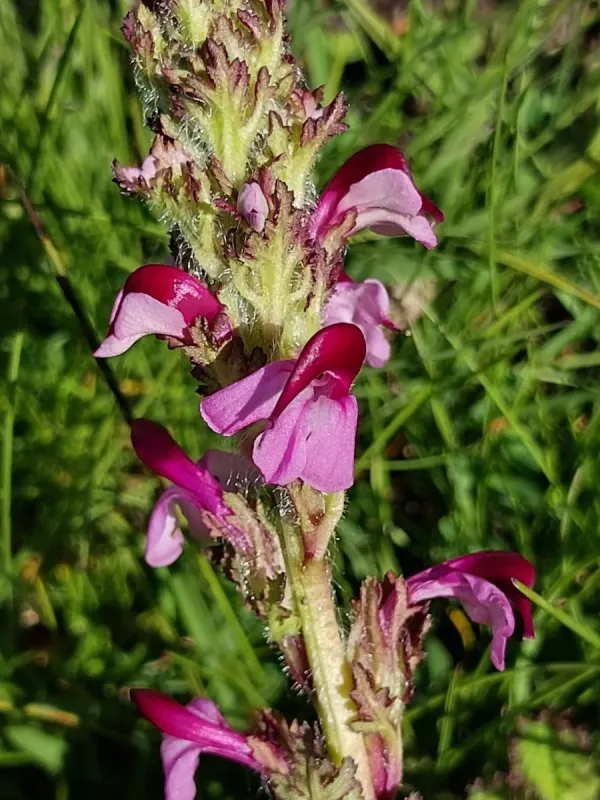
Description
Growing requirements
Pedicularis mixta is a perennial herbaceous plant belonging to the Orobanchaceae family. Historically classified within Scrophulariaceae, it is widely recognized today for its semi-parasitic nature, which is central to its survival strategy.
The plant functions as a hemiparasite, meaning it derives essential nutrients and water by attaching to the roots of neighboring plant species. This specialized adaptation allows it to thrive in nutrient-poor environments typical of high-altitude regions.
The geographical range of this species is primarily concentrated in the mountainous areas of Europe, specifically the alpine zones. It is commonly found in meadows and rocky outcrops that provide stable environmental conditions for its life cycle.
Growth requirements for this plant are very specific, including a cool alpine climate and consistent soil moisture. Because of its dependence on specific host plants, it remains a wild species that is not suitable for large-scale agricultural cultivation.
The soil substrate must be well-drained and slightly acidic to neutral. High-altitude environments with natural slope drainage provide the optimal balance between soil aeration and moisture retention for the healthy growth of Pedicularis mixta.
Main diseases and pests
The main threats to Pedicularis mixta include habitat loss caused by overgrazing in high-altitude pastures, which negatively impacts both the host plants and the parasitic population itself.
Fungal pathogens pose a significant risk, particularly during periods of unusual humidity, leading to root decay. Since the plant relies on its root connections to survive, any root disease can be fatal to the individual specimen.
Various insect pests and phytophagous larvae feed on the leaves and flowers, which reduces the plant's ability to produce viable seeds and lowers the overall reproductive success of the population.
Climate change is another major factor contributing to the shifting ranges of alpine flora. As temperatures rise, Pedicularis mixta is forced to move to higher altitudes, increasing competition for resources.
Anthropogenic disturbances, including tourism and infrastructure development in mountainous regions, continue to fragment the natural habitat, isolating individual groups and threatening the genetic diversity of the species.