
Pedicularis mandshurica
Pedicularis mandshurica
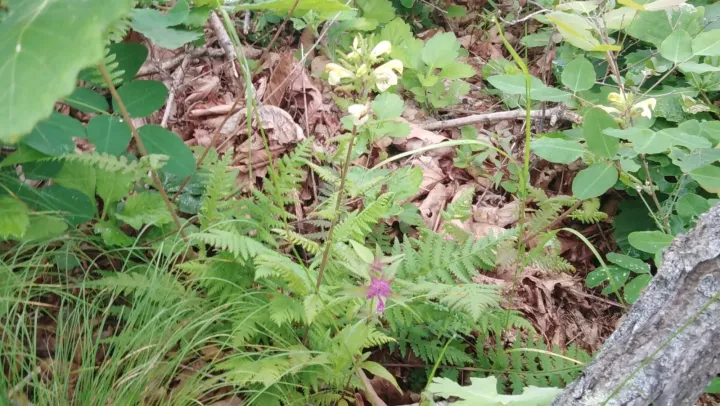
Description
Growing requirements
Pedicularis mandshurica is a perennial hemiparasitic plant species belonging to the Orobanchaceae family. Unlike fully autotrophic crops, it relies on haustorial connections to the root systems of neighboring host plants to obtain supplemental nutrients, water, and minerals.
Native to the regions of Manchuria and surrounding territories, this plant thrives in cool, moist habitats. It is commonly found in forest clearings, damp meadows, and riparian zones, reflecting its need for consistent environmental moisture and specific soil microclimates.
For successful agricultural cultivation, the soil should be rich in organic matter and possess a loamy structure. Maintaining a stable pH level between 5.5 and 7.0 is critical, as the species is sensitive to extreme chemical fluctuations and sudden environmental changes.
The core of its agrotechnology is the strategic selection of host plants. Successful cultivation requires a balanced presence of host species in the field to support the hemiparasitic nature of Pedicularis mandshurica, ensuring the plant reaches its full physiological potential.
The plant is primarily utilized in the pharmaceutical industry due to its chemical profile. It is known to contain secondary metabolites, including iridoid glycosides and various alkaloids, which are highly valued in traditional and evidence-based herbal medicine applications.
Main diseases and pests
Primary threats to the health of the crop include fungal infections such as powdery mildew, which can spread rapidly under high humidity. Root rot, caused by poor soil drainage and waterlogging, remains the most significant risk to crop establishment and overall survival.
Insects like aphids and leaf-eating beetle larvae can cause significant damage to the foliage, reducing the plant's photosynthetic capacity. Integrated pest management, focusing on biological controls rather than harsh chemical sprays, is recommended to preserve the medicinal quality of the plant.