
Pedicularis longiflora
Pedicularis longiflora
Description
Growing requirements
Pedicularis longiflora is a perennial herbaceous plant belonging to the Orobanchaceae family. This species is recognized for its hemiparasitic nature, meaning it synthesizes its own sugars through photosynthesis while extracting water and mineral nutrients from the roots of neighboring host plants.
The native distribution of this plant is centered in high-altitude meadows and moist alpine environments across Central Asia and the Himalayas. It thrives in cool, humid conditions and is highly sensitive to heat stress, which is a limiting factor for its survival in lower elevations.
Soil requirements dictate a need for moist, nutrient-rich substrates with a neutral to slightly acidic pH level. The plant's success depends significantly on the presence of suitable host species, such as grasses or sedges, which allow the root haustoria to establish necessary connections.
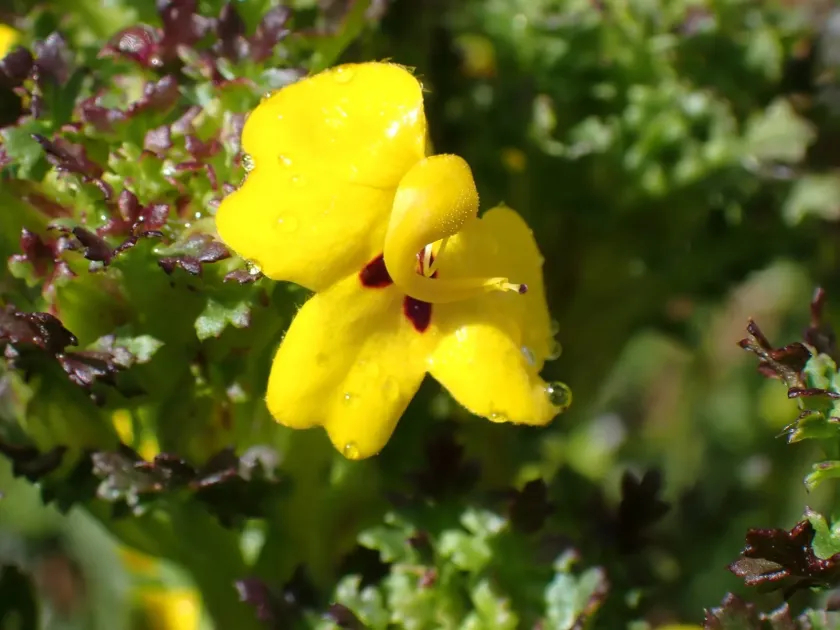
Morphologically, Pedicularis longiflora is characterized by its elongated, tubular flowers, typically exhibiting yellow or purple hues. The foliage is often fern-like and deeply divided, providing an efficient surface area for gas exchange and photosynthesis during the short growing season.
Economically, this species is not cultivated as a standard agricultural crop. Its utilization is largely confined to traditional ethnobotanical practices, where it may be harvested from the wild for medicinal purposes in accordance with local heritage and regional knowledge.
Main diseases and pests
The primary threat to Pedicularis longiflora is the degradation of its specialized mountain habitats, often exacerbated by shifts in regional climatic patterns and rising average temperatures.
Root rot pathogens represent a significant risk, particularly when stagnant water creates an anaerobic soil environment, leading to the decay of the plant's vital root systems.
Herbivorous insects, such as specialized beetle larvae, may cause damage to the flower buds and seeds, directly impacting the population's reproductive cycle and spread.
Overgrazing by livestock in alpine pasture lands can cause severe mechanical damage, reducing the plant's ability to recover and produce enough biomass for winter survival.
Competitive stress from aggressive invasive species can also displace Pedicularis longiflora by monopolizing the root zone of essential host plants, essentially starving the hemiparasite.