
Pedicularis leucodon
Pedicularis leucodon
Description
Growing requirements
Pedicularis leucodon, commonly known as lousewort, is a fascinating member of the Orobanchaceae family. Unlike conventional crops, this plant is a perennial hemiparasite that has evolved to thrive in high-altitude meadows and mountain slopes.
The plant demonstrates specific environmental requirements, favoring cool, temperate climates with high moisture levels. It is typically found in undisturbed natural habitats where soil composition supports a diverse range of host plants essential for its development.
As a hemiparasite, Pedicularis leucodon utilizes haustoria to connect to the roots of other plants. This strategic adaptation allows the species to obtain water and essential minerals, reducing its dependency on soil nutrient content and helping it compete in dense vegetation.
The soil conditions for this species should be well-drained but consistently moist. It is generally intolerant of acidic soils and requires an environment where the symbiotic or host-parasite balance is preserved throughout the growing season.
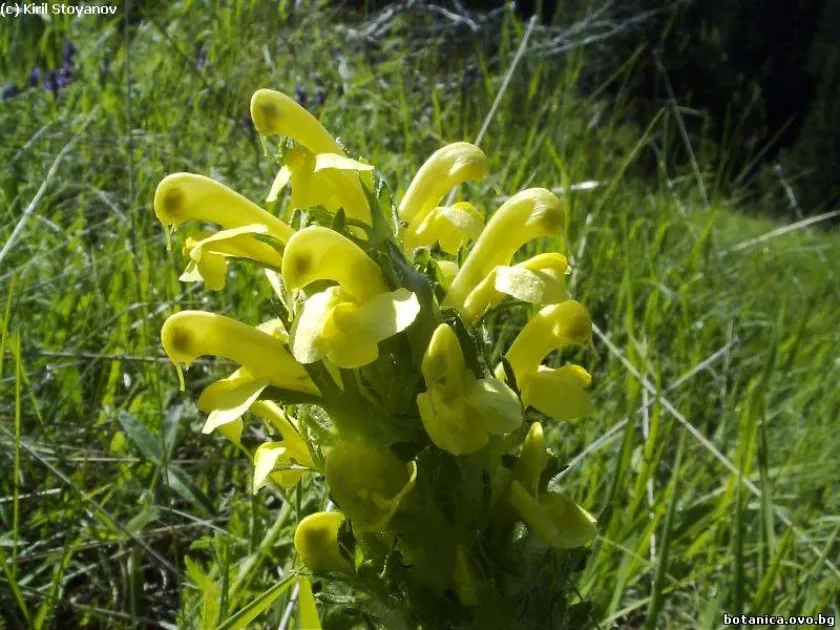
Botanically, the species is defined by its erect stems and distinctive flowers, which feature white, tooth-like structures on the galea. This visual characteristic is vital for attracting specific insect pollinators in the rugged alpine landscapes it inhabits.
Main diseases and pests
The primary threat to the stability of Pedicularis leucodon populations is the alteration of mountain ecosystems due to intensive livestock grazing. Overgrazing destroys the host plants upon which the lousewort relies for survival.
Human activities, such as land clearing and the conversion of traditional alpine meadows into agricultural pasture, significantly disrupt the local microhabitats required for the plant's successful germination and growth.
Fungal diseases are a noted threat, particularly during periods of prolonged wet weather, which can lead to root rot and systemic infections. These pathogens effectively reduce the density of the species in its natural range.
Pest pressure from specialist insects, including certain aphids and beetle larvae, can impact seed production. These insects have evolved to circumvent the plant's chemical defenses, which include secondary metabolites like iridoid glycosides.
Climate change poses a long-term risk to this species, as it forces the plant to migrate to higher, cooler elevations to remain within its optimal thermal range, potentially leading to habitat fragmentation and eventual loss.