
Julian lousewort
Pedicularis julica
Description
Growing requirements
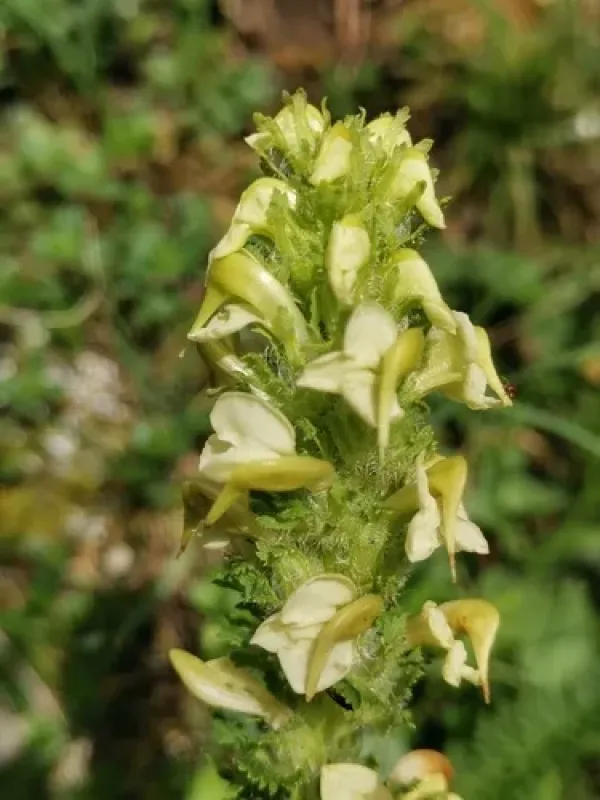
Julian lousewort (Pedicularis julica) is a fascinating herbaceous plant belonging to the Orobanchaceae family. It is a highly specialized species primarily found in the rocky and alpine meadows of the Julian Alps region in Europe.
The plant is categorized as a hemiparasite, meaning it produces its own nutrients through photosynthesis but relies on root attachments to host plants for water and mineral intake. This unique survival strategy makes it extremely difficult to cultivate outside of its native ecological niche.
Regarding soil requirements, this species demands nutrient-poor, porous, and well-drained substrates. Typical mountain soils with a gritty texture provide the necessary aeration for its roots, while standard garden soil usually proves fatal due to fungal infections.
The climate requirements are strictly alpine, necessitating cool ambient temperatures and intense solar radiation. The plant does not adapt well to temperate or tropical lowland climates, as it requires specific seasonal signals to initiate growth and flowering cycles.
Due to its specialized lifestyle and fragile status in the wild, the plant has no commercial agricultural use. Conservation efforts focus on protecting its natural habitat, as it is considered a botanical rarity rather than a crop that can be domesticated or farmed.