
Leafy lousewort
Pedicularis foliosa
Description
Growing requirements
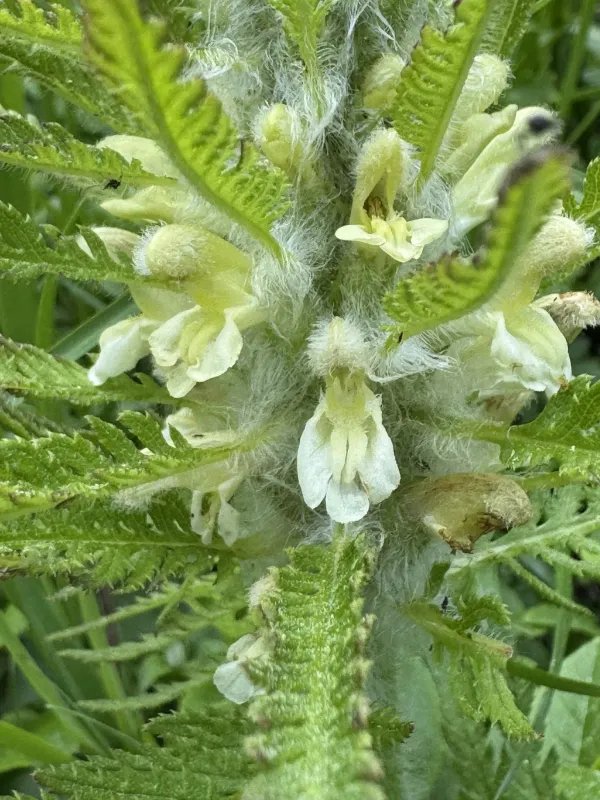
Leafy lousewort (Pedicularis foliosa) is a perennial herbaceous plant belonging to the Orobanchaceae family. It is recognized as a hemiparasite, meaning it performs photosynthesis but relies on haustoria to extract minerals and nutrients from the roots of host plants.
The species is primarily native to the mountainous regions of Europe, thriving in subalpine meadows and grassy slopes. Botanically, it is identified by its robust stem and dense foliage, which gives it its common name and specific epithet.
Requirements for cultivation include well-drained, humus-rich soil that maintains constant moisture levels without becoming waterlogged. The plant prefers substrates that mimic its natural alpine environment, emphasizing soil aeration.
Climate conditions must reflect cooler temperatures. The species is highly sensitive to intense summer heat and direct sunlight, which often necessitates partial shading or planting in high-altitude environments for optimal vegetative development.
Cultivation is technically demanding due to the obligate requirement for a suitable host plant. Successful growth and flowering depend on the presence of companion species that provide a sufficient nutrient flow to the lousewort’s root system.
Main diseases and pests
Diseases such as powdery mildew represent a significant threat to leafy lousewort, especially in environments with high humidity and poor air circulation. This fungal infection can rapidly affect the dense foliage of the plant.
Pests including aphids and thrips frequently colonize the shoots, drawing sap and inducing stress. Significant infestations can weaken the plant's structural integrity and make it more susceptible to secondary bacterial infections.
Root rot is a common issue when soil drainage is insufficient or when the plants are grown in heavy, compact soils. Preventive measures include ensuring porous soil structure and avoiding excessive irrigation during dormant periods.
Competition from aggressive weed species can suppress the plant, causing it to lose its host connection. Maintaining a clean cultivation area is essential to prevent the lousewort from becoming nutrient-deficient and prone to collapse.
Monitoring the health of host plants is vital for the survival of Pedicularis foliosa. If the host becomes diseased or dies, the lousewort will inevitably follow, as it cannot maintain its metabolic balance independently.