
Pedicularis dasystachys
Pedicularis dasystachys
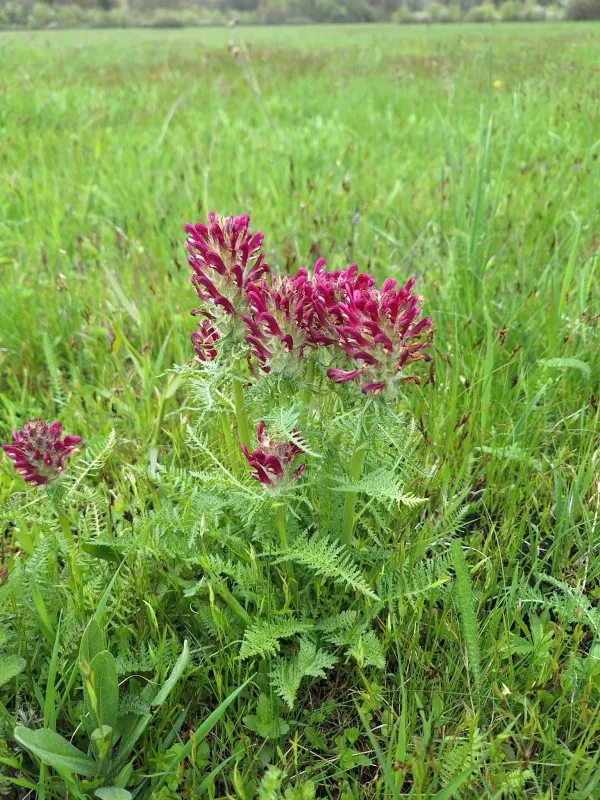
Description
Growing requirements
Pedicularis dasystachys is a perennial herbaceous plant belonging to the Orobanchaceae family. It is recognized for its unique, dense inflorescence and its hemiparasitic lifestyle, which distinguishes it from many other meadow plants.
As a hemiparasite, this species relies on connecting its root system to those of surrounding host plants. This botanical adaptation allows it to supplement its carbon and water intake, making it an essential, albeit dependent, component of its ecosystem.
The species typically inhabits moist meadows and steppe regions. It thrives in environments where soil moisture remains relatively stable throughout the growing season, preventing the plant from dehydrating during the peak of summer.
Climate requirements for this plant are centered on temperate conditions with sufficient light exposure. It is well-adapted to the continental climate of Eurasia, demonstrating a high tolerance for cold winters and variable spring temperatures.
Regarding soil preferences, it favors neutral or slightly acidic soils that are rich in organic matter. Proper drainage is crucial, as stagnant water can lead to root degradation, despite the plant's preference for moist areas.
Main diseases and pests
The survival of Pedicularis dasystachys is primarily threatened by habitat destruction. Land reclamation, overgrazing, and agricultural conversion of meadows are the most significant factors reducing its natural range.
Biological threats include specific pathogens that target the root systems. As a hemiparasite, any compromise to its connection with a host plant quickly reflects in the overall health and vigor of the individual specimen.
Pest pressure from insects that consume the seeds and flower heads is another concern. Such damage restricts the plant's ability to propagate, leading to a decline in population density over several years.
Invasive plant species pose a competitive threat, often outcompeting this slower-growing perennial for space and nutrient resources in disturbed soil environments.
Climate change, specifically the increasing frequency of droughts, impacts the plant's host associations. If the host vegetation struggles, Pedicularis dasystachys inevitably faces a higher risk of mortality.