
Pedicularis comosa
Pedicularis comosa
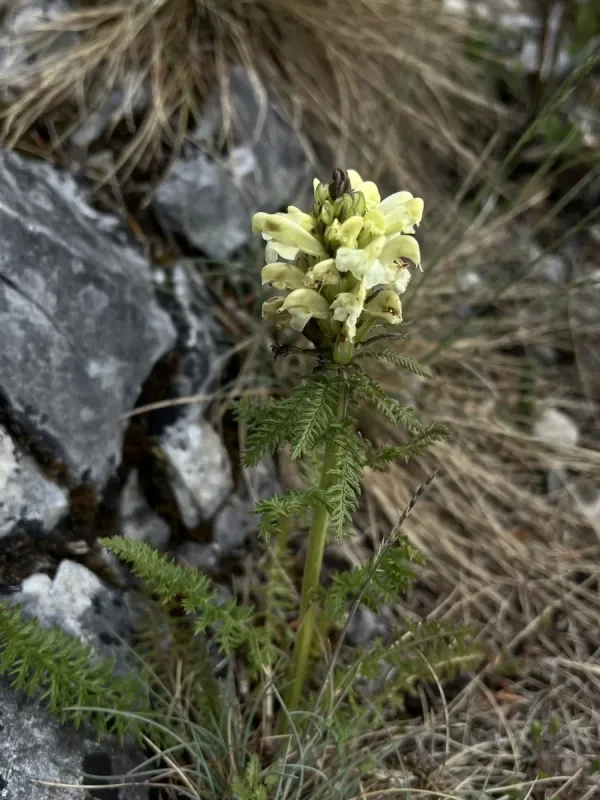
Description
Growing requirements
Pedicularis comosa, commonly known as a member of the Orobanchaceae family, is a herbaceous perennial characterized by its hemiparasitic mode of life. It derives essential nutrients by attaching its roots to those of host plants.
The species thrives in cool, temperate climates, particularly in subalpine mountain regions. It requires well-drained, nutrient-rich soils with a neutral pH to sustain its complex physiological requirements.
Botanically, it features pinnately divided leaves and dense, spike-like inflorescences. Its success depends entirely on the presence of appropriate host plants, typically grasses or other meadow vegetation that provide necessary fluids.
Regarding cultivation, this plant is not grown in standard agricultural practices due to its parasitic nature. It is primarily observed and managed within the context of high-biodiversity natural meadow conservation.
Optimal environmental conditions involve high light exposure, as shade tolerance is relatively low in this species. Stable moisture levels throughout the growing season are necessary to support its unique root structure.
Main diseases and pests
Nitrogen pollution represents a significant threat to Pedicularis comosa. High concentrations of nitrogen decrease the efficacy of its haustorial attachments, leading to stunted growth or total failure.
Pathogenic fungi, such as powdery mildew, are the primary biological threat, especially in dense meadows with poor air circulation where humidity remains consistently high near the ground surface.
Insect pests, including various aphids and mining insects, often target the succulent parts of the stem and inflorescence, which can lead to premature senescence of the floral parts.
Intensive agricultural management, including excessive trampling by livestock, physically destroys the delicate tissues of the plant and limits its ability to successfully complete its lifecycle.
Invasive species competition can also suppress this plant, as aggressive grasses may outcompete the hosts that Pedicularis comosa relies upon for its mineral intake.