

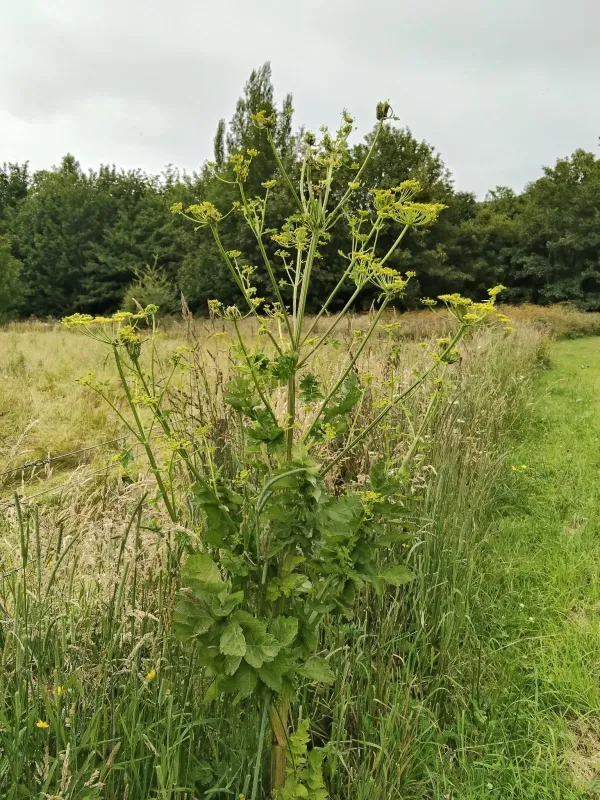
Description
Sowing dates
Parsnip (Pastinaca sativa L.) is a biennial herb belonging to the Apiaceae family. During its first year, it produces a rosette of leaves and a fleshy taproot, while in the second year, it develops a tall flowering stalk.
The sowing schedule is determined by a long growing season, typically requiring 100 to 150 days to reach maturity. Optimal sowing begins in early spring, as soon as the soil reaches a temperature of 3 to 5 degrees Celsius.
For early harvest, growers may use late autumn sowing before the ground freezes. This allows seeds to undergo natural vernalization, resulting in earlier germination once warmer temperatures return in the spring.
Parsnip seeds contain high levels of essential oils and possess low germination energy, necessitating a higher seeding density. Seeds are typically sown at a depth of 2 to 3 cm in rows spaced 45 to 60 cm apart.
Consistent soil moisture is crucial until the seedlings emerge, as the germinating seeds are highly sensitive to surface drying. Once established, plants must be thinned to 10–15 cm apart to ensure proper root development.
Growing requirements
This crop demands deep, loose, and fertile loam or sandy soil with a neutral pH. Heavy or waterlogged soils are unsuitable, as they cause the taproots to fork, twist, or become misshapen, reducing marketability.
Parsnips are highly frost-tolerant and can germinate in soil temperatures as low as 2 degrees Celsius. Mature roots can withstand light freezes, and many growers leave them in the ground to improve sweetness after the first frost.
Full sun is essential for optimal growth. Shaded conditions lead to weak foliage development and significantly lower sugar accumulation in the roots, negatively impacting both yield and flavor profile.
Regular irrigation is necessary, particularly during the root-thickening stage. However, excess moisture towards the end of the season must be avoided to prevent fungal rot and potential splitting of the root skin.
Fertilization should be balanced, focusing on phosphorus and potassium. Over-application of nitrogen must be avoided, as it encourages excessive leaf growth at the expense of root size and quality.
Yield
Under professional agricultural conditions, the average yield for parsnips ranges from 30 to 50 tons per hectare. Final productivity is heavily influenced by hybrid choice and adherence to precision farming practices.
Weed control is the most critical factor during the initial growth stages because parsnip seedlings grow slowly and are easily outcompeted. Mechanical cultivation between rows is essential for maintaining crop vigor.
Long-rooted varieties generally offer higher total tonnage compared to globe-shaped types, provided the soil is deep enough. Selecting the right variety for the specific soil structure is key to reaching yield targets.
Intensive farming techniques, such as drip irrigation and mulching, can increase the marketable yield by up to 30 percent. Deep tillage prior to sowing is also vital to facilitate straight root growth.
Proper harvesting and post-harvest handling allow for a marketable yield exceeding 90 percent. Careful handling is required to minimize scratches or cuts that serve as entry points for post-harvest decay.
Main diseases and pests
Cercospora leaf spot is a significant fungal disease that causes brown lesions on the foliage, leading to premature wilting. Proactive fungicide application or resistant cultivars are the primary means of defense.
Root rot, including white and grey molds, can severely impact production, especially in overly moist or poorly drained soils. Strict adherence to crop rotation is the most effective preventative measure.
The carrot rust fly is the most devastating pest, with larvae burrowing into the roots. Protective measures include covering crops with horticultural fleece during the fly's peak flight or applying systematic insecticides.
Aphids can cause damage by feeding on foliage and acting as vectors for various viral infections. Management involves regular monitoring and timely use of biological or chemical insect control agents.
Nematodes can stunt overall plant growth by damaging the root system. Effective management is difficult, making long-term rotation strategies and soil testing the most reliable tools for farmers.
Harvesting
Harvesting usually occurs in late autumn when the foliage begins to turn yellow. Exposure to cold temperatures helps convert starches into sugars, which significantly improves the culinary quality of the parsnip.
Mechanical harvesting involves the use of specialized plows or root lifters to loosen the soil beneath the root depth. This prevents breakage, which is a common issue for long-rooted cultivars.
After lifting, roots should be cleaned, and the tops removed without damaging the crown. A short drying period in the shade helps to cure the skin and improve longevity during the storage phase.
In regions with mild winters, parsnips can be left in the ground until spring, provided the crop is protected from rodents. This ensures the freshest possible product but requires careful pest monitoring.
Storage should take place in a cool, dark environment with temperatures maintained near 0–2 degrees Celsius. Packing in damp sand or using high-humidity cold storage helps prevent dehydration.
Content graph
Connections · Parsnip
Most often together:
Nutrient elements
1 contact
Marketplace
Products · 13


