
Iceland poppy
Papaver nudicaule L.
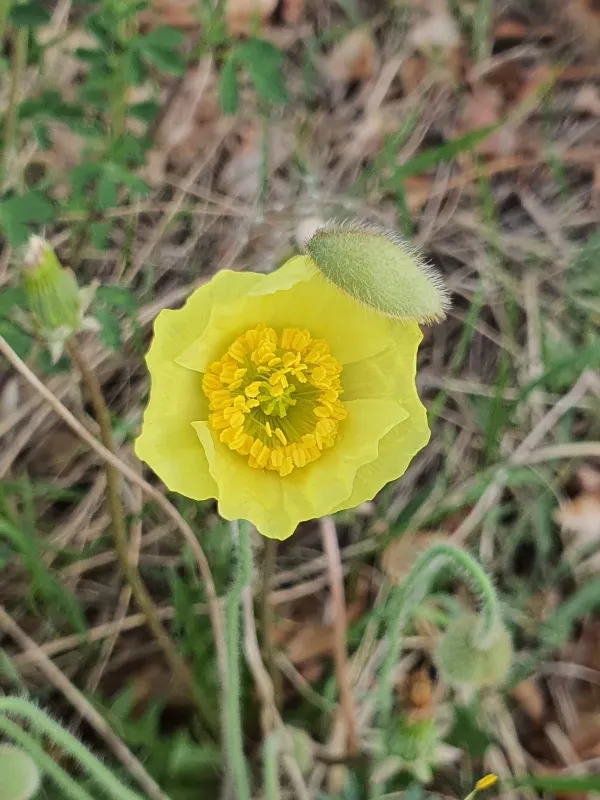
Description
Sowing dates
The Iceland poppy (Papaver nudicaule L.) is a perennial herbaceous plant belonging to the Papaveraceae family. In agricultural and horticultural practices, it is typically treated as a short-lived perennial or a biennial to ensure optimal flowering cycles in the first or second year.
The seeds of this species are extremely small and require light for germination; therefore, they should be sown on the surface of the soil. When planting in open fields, the seeds are often mixed with fine sand to ensure even distribution and avoid overcrowding in specific sections.
Sowing in open ground is best performed in early spring as soon as the soil can be worked. Alternatively, late autumn sowing is an effective strategy in regions with cold winters, allowing the seeds to undergo natural stratification, which leads to more vigorous and uniform germination in the spring.
When starting seedlings indoors, individual peat pots or cell trays are required. Because the Iceland poppy possesses a sensitive taproot, it does not tolerate transplanting well. Using individual containers helps maintain the root ball integrity during the transfer to the garden bed.
The recommended planting density for commercial flower production is approximately 20-25 cm apart. This spacing is crucial to provide adequate air circulation, which helps manage humidity levels and creates a favorable environment for healthy leaf rosette and stalk development.
Growing requirements
The Iceland poppy thrives in full sun and requires well-drained, fertile soil to reach its peak potential. It prefers sandy or loamy soils with a neutral to slightly alkaline pH level. Poorly drained soil, especially clay-heavy types, will inevitably lead to root failure.
This crop is moderately drought-tolerant once established, but regular irrigation is necessary during the active vegetative growth phase and the initiation of flower stalks. It is vital to avoid waterlogged conditions, as the plant is highly susceptible to root rot.
The temperature range for optimal development is between 15°C and 22°C. While the plant is hardy and can withstand freezing temperatures in many regions, it performs best in cooler climates where the temperature does not remain excessively hot throughout the summer months.
Weed control is an essential part of the agrotechnical management of this crop. Since the poppy has delicate roots, mechanical cultivation should be done with caution, avoiding deep tilling that could damage the root system of the plants.
Soil nutrient management should be balanced; excessive nitrogen application can lead to lush vegetative growth at the expense of flower production. A moderate fertilization program, focusing on balanced NPK, is recommended before planting or during the early growth stages.
Main diseases and pests
Powdery mildew is the most prevalent fungal disease affecting Iceland poppies, particularly in high-humidity conditions with poor airflow. Maintaining proper spacing and keeping the foliage dry during irrigation are the primary methods for preventing this infection.
Root rot, often caused by pathogens like Pythium or Phytophthora, is a significant threat when soil moisture levels are mismanaged. Improving drainage and ensuring the soil surface dries out slightly between irrigation events are critical steps in preventing these soil-borne diseases.
Aphids represent a major pest risk, as they cluster on young buds and succulent stems, draining nutrients and stunting development. Early detection through regular field scouting allows for targeted treatment using organic insecticidal soaps or specific horticultural oils.
Thrips are also a concern, as they feed on the petals, leaving unsightly scars and deformities on the flowers. Implementing Integrated Pest Management (IPM) practices, including the use of blue or yellow sticky traps, helps monitor and manage their populations effectively.
Crop rotation is mandatory to prevent the accumulation of soil-borne pathogens and pests. Iceland poppies should not be planted in the same plot more than once every three years, as this practice significantly reduces the disease pressure on the subsequent crop.
Harvesting
Harvesting for fresh-cut flower markets must be performed when the buds are just beginning to crack and show color. This stage ensures that the flower will have the longest vase life and survive transportation to the end-user without significant damage.
It is recommended to harvest during the cool morning hours when the plant has full turgor pressure. After cutting, the stems should be immediately transferred to clean water, ensuring that no foliage is submerged to prevent premature decay and bacterial build-up.
For seed production, harvest the seed pods when they have turned a distinct brownish-grey color. At this stage, the seeds inside should rattle when the pod is shaken. Careful monitoring is required because if left too long, the pods may shatter, leading to substantial yield losses.
Once harvested, seed pods should be dried in a well-ventilated, shaded area. Avoiding direct sunlight during the drying process is essential to maintaining seed viability and vigor for the next growing season.
After the pods are fully dried, threshing and winnowing are performed to separate the seeds from the chaff. The final product should be stored in a cool, dark, and dry environment with controlled humidity levels to ensure long-term storage quality.