
Welsh poppy
Papaver cambricum L.
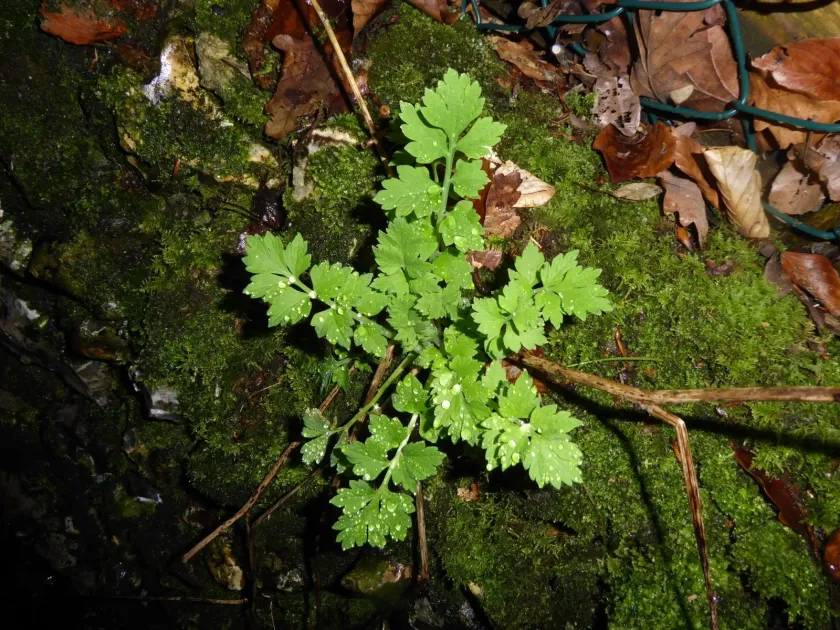
Description
Sowing dates
The Welsh poppy (Papaver cambricum L.), which belongs to the Papaveraceae family, is a herbaceous perennial widely valued for its vibrant flowers and adaptability to various garden conditions.
Sowing in open ground is best carried out in late autumn. Exposing seeds to winter cold temperatures helps break dormancy, leading to more uniform germination in the spring.
When sowing in spring, it is crucial to surface-sow the seeds on fine soil. Since they require light for germination, they should not be covered with a thick layer of earth; pressing them gently is sufficient.
Starting seeds indoors is a common practice for gardeners in cooler climates. Sow in trays in late winter and maintain a cool environment, as this plant thrives in moderate temperatures rather than intense heat.
Transplanting should be handled with care. The Welsh poppy has a sensitive root system, so it is recommended to use biodegradable pots or ensure minimal root disturbance when moving seedlings outdoors.
Growing requirements
This crop performs best in semi-shaded areas, particularly avoiding harsh midday sun which can stress the plant and reduce its flowering duration significantly.
Soil quality must prioritize drainage. While the plant appreciates moist soil, it will not tolerate waterlogged conditions, which frequently cause root rot and rapid plant decline.
Adding organic matter such as compost or well-rotted leaf mold will improve soil fertility and structure, allowing the plant to develop a healthy, resilient root system.
Regular watering is necessary during the active growth period. During prolonged dry spells, ensure the soil remains consistently moist but not saturated, preferably watering at the base of the plant.
The Welsh poppy prefers slightly acidic to neutral soils. In areas with very heavy clay, amending the soil with grit or sand will significantly improve growing conditions for this species.
Main diseases and pests
Aphids are the most common pest observed on the Welsh poppy, typically gathering on young flower buds and tender stems, potentially causing stunted growth.
Slugs and snails can pose a major threat, particularly to young, vulnerable seedlings. Their feeding can cause severe foliage damage, necessitating protective measures like bait or physical barriers.
Fungal diseases, including powdery mildew, can manifest in dense plantings with poor airflow. Recognizing these conditions early is vital to prevent the spread of the infection to the entire bed.
Prevention involves ensuring adequate spacing between plants, which promotes air circulation and helps foliage dry quickly after rainfall or irrigation.
If chemical intervention is required, choose fungicides labeled for ornamental plants and apply them according to the manufacturer's instructions to ensure safety and effectiveness.