
Glaucous poppy
Papaver glaucum Boiss. & Hausskn.
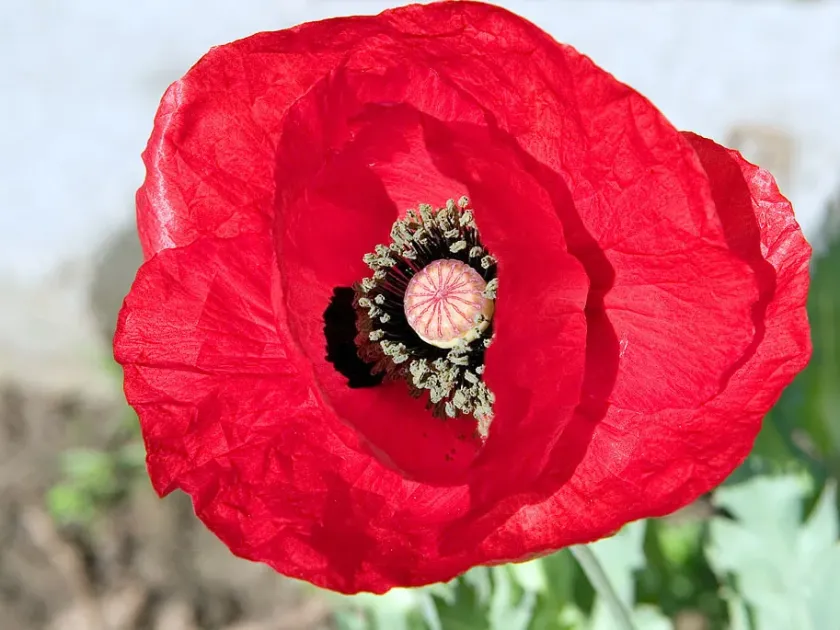
Description
Sowing dates
Glaucous poppy (Papaver glaucum Boiss. & Hausskn.), a member of the Papaveraceae family, requires early spring sowing for optimal results. Planting should occur as soon as the soil temperatures reach 5–8°C to ensure a vigorous germination process.
Soil preparation is critical because the seeds are extremely small. The seedbed must be leveled and finely pulverized to ensure that seeds are not buried deeper than 1–2 centimeters, which would prevent emergence.
Using specialized equipment for small-seeded crops helps maintain uniform plant spacing. Avoiding overcrowding is essential, as this poppy variety needs adequate light and air circulation to thrive during its growth cycle.
Post-sowing rolling is highly recommended to improve soil-seed contact and promote capillary water movement. This is particularly important if moisture levels in the topsoil are suboptimal after planting.
The crop fits well into standard crop rotations, but it should not be planted in the same field for at least 3–4 years to prevent the buildup of soil-borne pathogens specific to the genus Papaver.
Growing requirements
Glaucous poppy is a heliophilic plant, meaning it requires full exposure to direct sunlight. Fields should be situated in open areas to maximize photosynthetic activity and ensure proper maturation of the seed pods.
The soil should be fertile, well-drained, and aerated. Excessive moisture or waterlogged conditions are highly detrimental, often causing root rot and leading to complete crop failure in localized areas.
A neutral soil pH, ranging between 6.5 and 7.5, is ideal. If the soil is excessively acidic, liming is required before the planting season to optimize nutrient availability and microbiological soil health.
While the species exhibits some drought tolerance, consistent moisture is necessary during the vegetative stage. Adequate water supply during the budding and flowering phases is vital for yield potential.
Nutrient management focuses on a balanced NPK ratio. Nitrogen application is most effective during the leaf rosette phase, while phosphorus and potassium are essential for robust seed pod development.
Main diseases and pests
Powdery mildew is a common fungal threat characterized by white patches on leaves. If left untreated, it can significantly reduce plant vigor and lead to shriveled seeds due to impaired nutrient transport.
Fusarium wilt remains a serious concern in poorly drained fields. The pathogen attacks the vascular system, causing plants to yellow and wither prematurely, often leading to yield losses during the maturation phase.
The poppy weevil is a primary pest that damages foliage and young buds. Integrated pest management, including regular scouting and selective insecticide usage, is necessary to minimize damage to the reproductive organs.
Aphid infestations are frequently observed on tender stems. Aphids weaken the plant by sap extraction and act as vectors for various viral diseases, making early detection and control paramount.
Good agricultural practice, including the removal of wild poppy weeds in and around the field, is essential to break the life cycles of major pests and diseases that affect this commercial crop.
Harvesting
Harvesting should be timed when the seed pods reach full maturity. The indicator is a distinct rattling sound when the pods are shaken, indicating that the seeds have reached a moisture level below 14%.
Direct combining is the standard method for harvest, requiring precise machinery adjustments to avoid excessive seed breakage or straw contamination. Speed and settings must be tailored to the crop’s maturity.
Dry weather during the harvest is non-negotiable. Rain or high humidity can cause discoloration and lead to seed sprouting within the pods, which drastically reduces market quality and seed viability.
Post-harvest processing involves immediate cleaning using air-screen separators to remove chaff and debris. Proper cleaning prevents spontaneous heating and maintains the quality of the harvested produce.
Storage should be in a cool, dry, and well-ventilated facility. Maintaining low temperatures and preventing pest ingress are crucial to ensure that the poppy seeds remain viable and marketable for extended periods.