
Alpine poppy
Papaver alpinum L.
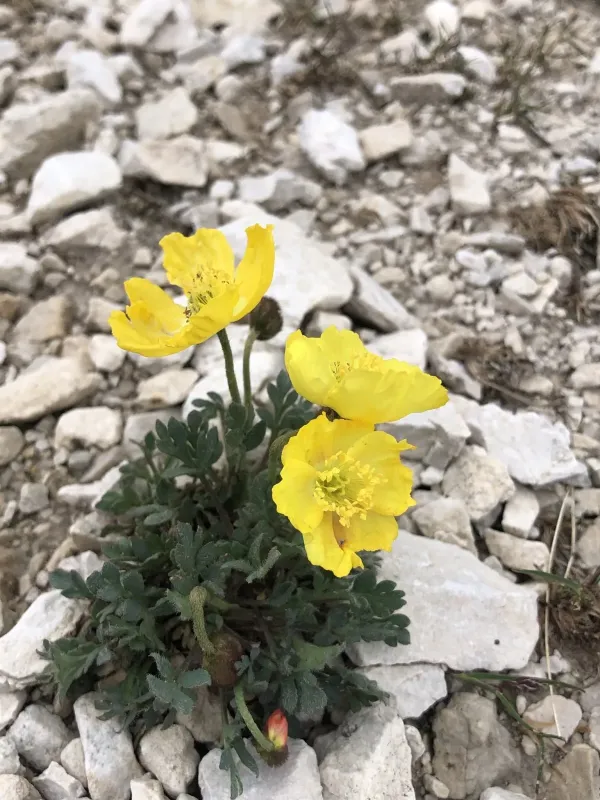
Description
Sowing dates
The Alpine poppy is a perennial herbaceous plant native to high-altitude regions. When cultivated in gardens, it is typically sown directly into well-draining soil during the early spring as soon as the ground is workable.
Seeds are tiny and require light to germinate effectively. They should be scattered on the surface of the soil and pressed down gently without covering them, ensuring they receive maximum sunlight exposure.
If starting seeds indoors, use small pots or seed trays filled with a sterile, gritty mix. Maintain a cool temperature, as this species naturally prefers conditions that mimic high-mountain climates.
Avoid thinning seedlings too aggressively; instead, move small clumps of seedlings to their final location in the rock garden once they develop their first set of true leaves.
Transplanting should be done with extreme care to avoid disturbing the sensitive taproot system, which is characteristic of the Papaver genus and essential for the plant's stability.
Growing requirements
This species belongs to the Papaveraceae family and is perfectly adapted to harsh, mountainous environments. It thrives in open, sunny locations with excellent solar radiation throughout the day.
The soil must be alkaline, gritty, and exceptionally well-draining. Any presence of heavy, stagnant moisture in the root zone is highly detrimental and will likely kill the plant.
Alpine poppies are not demanding regarding fertilization. In fact, excessive nitrogen promotes weak, leggy growth and makes the plant more susceptible to diseases and pest infestations.
These plants are extremely hardy and cold-tolerant. They are best suited for rockeries, alpine troughs, or gravel gardens where they can benefit from natural soil aeration and thermal drainage.
Supplemental watering is only necessary during extended drought periods in the peak of summer. During spring and autumn, the plant is typically satisfied with natural precipitation.
Main diseases and pests
Powdery mildew is a common issue when Alpine poppies are grown in areas with poor air circulation or high humidity, leading to unsightly white patches on the foliage.
Root rot is the most significant threat to the survival of the plant. It is primarily caused by poor drainage or overwatering, leading to the rapid decay of the vascular tissues.
Aphids are frequent pests that congregate on the flower buds and young stems, causing deformed blooms and stunted development if not controlled during the early stages.
Slugs and snails can cause severe damage to the basal leaves, especially during cool and rainy weather. Applying iron phosphate pellets or gravel mulches can help deter these pests.
Routine inspection of the plant's base for signs of yellowing or softening is vital. Early identification of stress allows for corrective action, such as improving soil drainage or adjusting irrigation.