
Opium poppy
Papaver somniferum L.
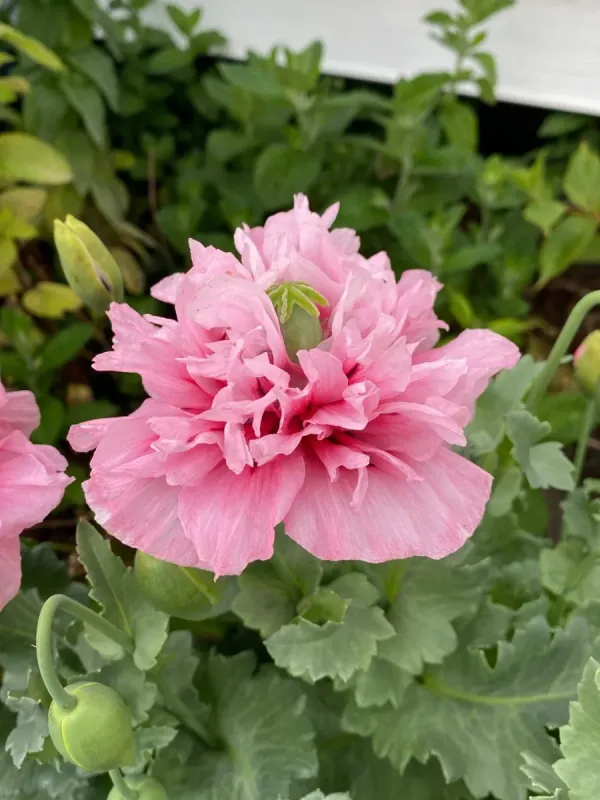
Description
Sowing dates
The opium poppy is a cold-resistant crop, so sowing is typically carried out in early spring as soon as the soil is dry enough for agricultural machinery.
The optimal sowing period occurs when the topsoil warms up to +5...+8 °C, allowing the plants to effectively utilize spring moisture reserves.
Delayed sowing causes seedlings to face higher temperatures, which slows down initial growth and significantly increases the risk of pest infestation.
Seeds should be planted at a depth of 1–2 centimeters, given their small size and limited nutrient reserves available for germination.
After sowing, it is recommended to use rollers to compact the soil, ensuring proper seed-to-soil contact and promoting uniform emergence across the field.
Growing requirements
The poppy belongs to the Papaveraceae family and requires fertile soils, preferring well-structured chernozems or loams with neutral acidity.
Opium poppy is moisture-demanding during the germination and rosette stages, although excessive waterlogging can lead to dangerous root rot diseases.
High levels of solar radiation are necessary for proper development, as shaded conditions lead to reduced oil content and lower seed quality.
The temperature optimum for vegetative growth ranges from +18...+22 °C, while the crop can withstand short-term spring frosts as low as -5 °C.
In crop rotation, the best predecessors for poppy are winter cereals, which leave the field relatively free of weeds and maintain soil structure.
Yield
The yield of opium poppy seeds in industrial conditions ranges from 0.8 to 1.5 tonnes per hectare when all agrotechnical requirements are met.
The final yield depends on optimal stand density, which should ideally be about 50–70 plants per square meter for maximum productivity.
Timely application of nitrogen and phosphorus-potassium fertilizers during the early stem-elongation phase is crucial for boosting crop yield.
High productivity is achieved through rigorous weed control, as the biological characteristics of poppies make them slow to establish in the early stages.
Poppy seeds are highly valued for their fatty oil content, which can reach 45–55%, making them an essential raw material for the food industry.
Main diseases and pests
The most dangerous pest is the poppy root weevil, which damages leaves and stems, and its larvae, which feed on the seeds inside the pods.
Among diseases, downy mildew (peronosporosis) is the most destructive, capable of devastating crops in high-humidity conditions.
Fusarium wilt and bacterial blight are also common problems, especially in fields with poor crop rotation and high pathogen accumulation in the soil.
To reduce disease and pest pressure, it is necessary to maintain proper spatial isolation and perform timely preventative chemical treatments.
Weed management remains critical throughout the season because the poppy lacks the vigor to compete for nutrients and light against fast-growing weeds.
Harvesting
Harvesting is performed at full maturity when the pods turn brownish and a distinct rattling sound is heard when the heads are shaken.
It is important to avoid over-ripening, as this leads to pod splitting and significant seed loss during mechanized harvesting operations.
The most common method is the two-stage harvest, involving swathing the crop and allowing it to dry in the field for several days before threshing.
Modern farmers use specialized combine harvesters equipped with adaptive headers designed to minimize seed shattering during the cutting process.
Post-harvest, the seeds must be immediately cleaned and dried to a moisture content of 8–9% to prevent spoilage and self-heating during storage.