
Clerodendrum paniculatum
Clerodendrum paniculatum L.
Description
Growing requirements
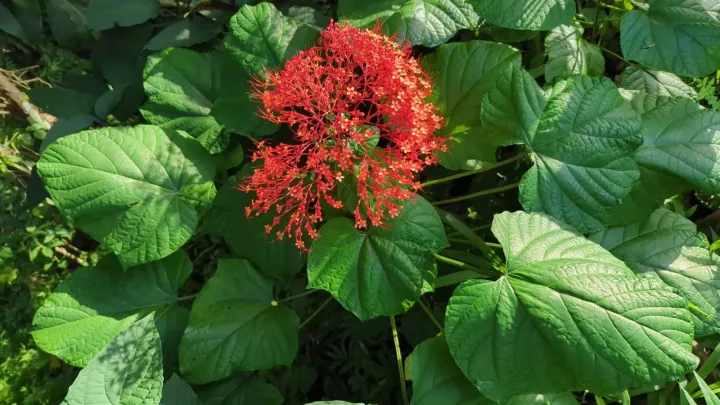
Clerodendrum paniculatum, commonly known as the pagoda flower, belongs to the Lamiaceae family. Native to tropical regions of Asia, this evergreen shrub is widely cultivated for its striking, pyramid-shaped panicles of bright orange-red flowers.
The plant thrives in fertile, well-draining soil with a pH range of 5.5 to 6.5. High levels of organic matter are essential for sustaining its vigorous growth during the flowering season. Soil compaction must be strictly avoided to ensure proper root aeration.
Climatic requirements focus on warmth and humidity. The ideal temperature for consistent growth ranges between 20°C and 28°C. Being a tropical species, it cannot tolerate frost, and even temperatures dipping below 10°C can result in significant metabolic stress.
In terms of light, Clerodendrum paniculatum prefers bright, indirect sunlight. Direct tropical sun can scorch the broad leaves, while insufficient light leads to "leggy" growth and a marked reduction in the size and quality of the flower panicles.
Management practices include regular pruning to maintain a compact bush shape. Fertilization should be frequent during the growing season, focusing on balanced NPK fertilizers supplemented with micronutrients to prevent deficiencies that manifest as interveinal chlorosis.
Main diseases and pests
The primary pests affecting this crop include spider mites, whiteflies, and aphids. These insects tend to colonize the undersides of the leaves, especially in warm, dry environments, leading to leaf yellowing and potentially fatal plant decline if left untreated.
Common pathological issues include powdery mildew and fungal root rots. These diseases are usually secondary to poor cultural practices, such as waterlogging or poor air circulation, which create a favorable microclimate for pathogen spore germination and spread.